 Skip to content

Iran at the Crossroads
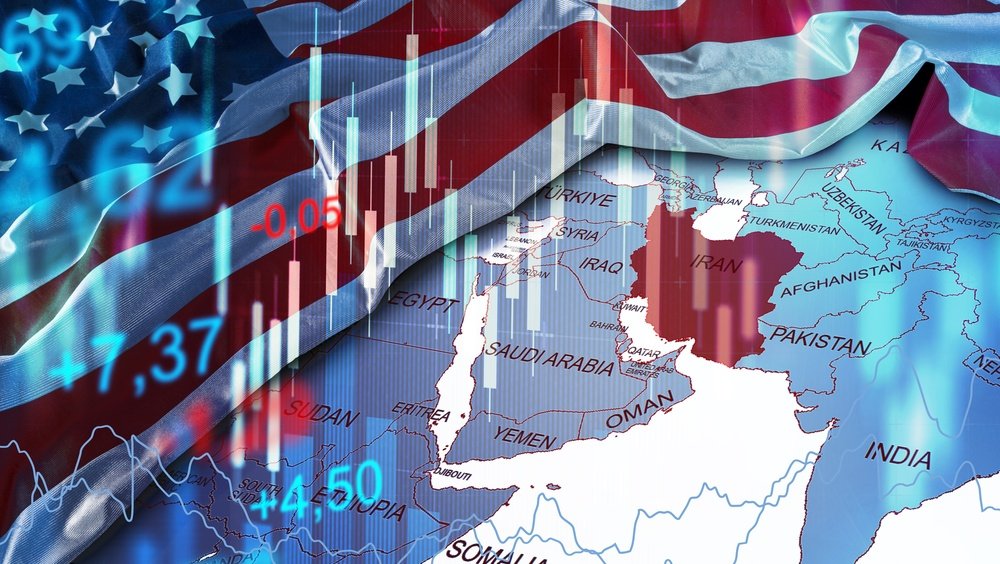
Iran’s future depends on a shift from confrontation to prosperity through diplomacy, economic reform, regional coexistence and credible security guarantees now.
Iran Is Drawing the Wrong Lesson from Libya’s Experience
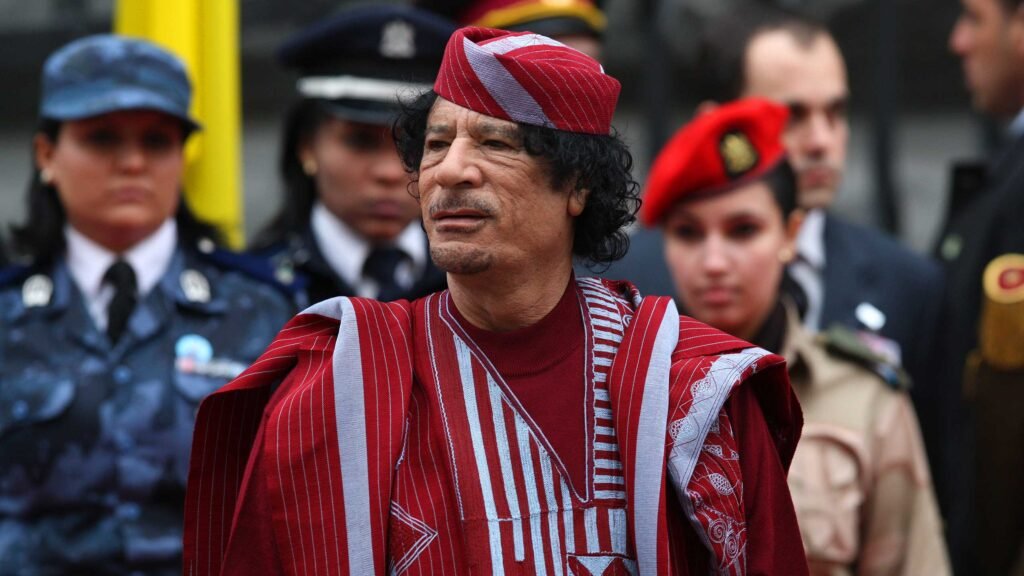
As U.S.-Iran talks continue, Libya’s experience offers a warning: nuclear weapons cannot compensate for corruption, repression, and misrule.
Why Afghan Women Judges Need Recognition and Protection
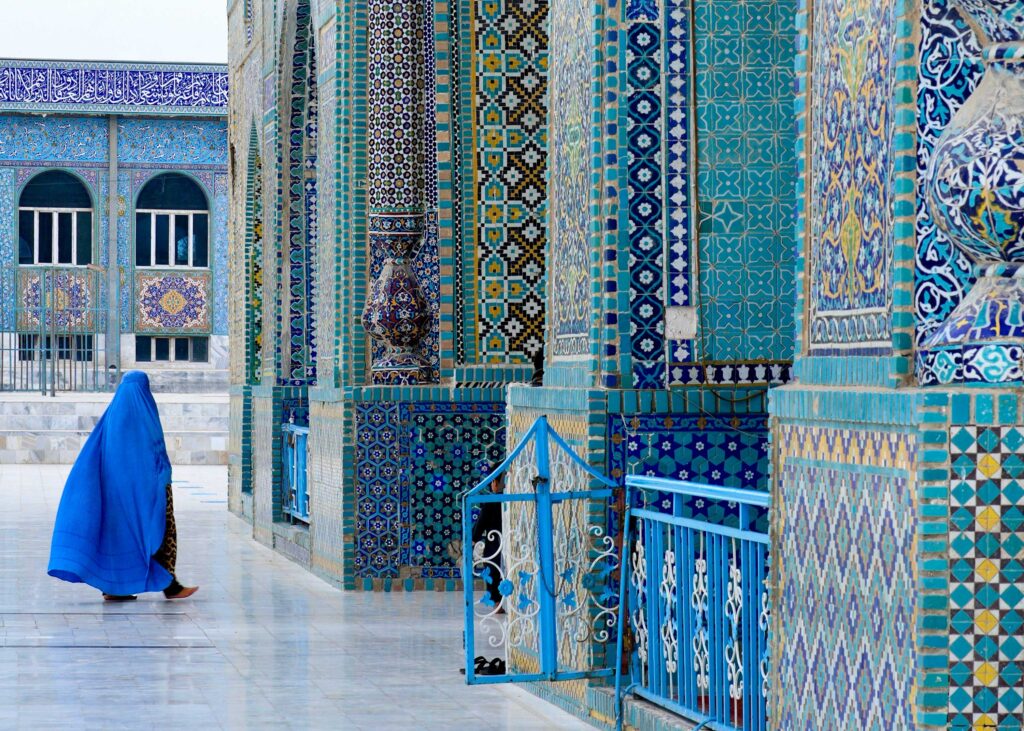
Afghan women judges face grave Taliban threats yet remain excluded from protection schemes, exposing failures in global humanitarian systems and asylum aid.
Lebanon and Syria’s Nightmare: A Syrian Military Intervention Against Hezbollah
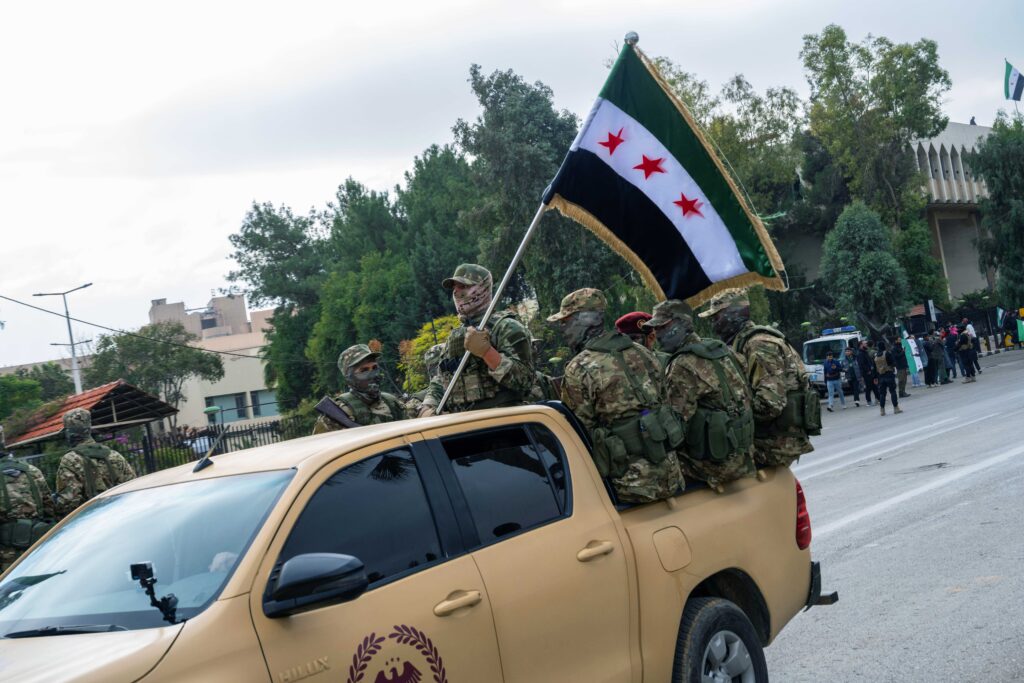
U.S. pressure on Syria to target Hezbollah in Lebanon’s Bekaa raises fears of regional escalation, sectarian conflict, and wider Middle East instability.
Iraq Is No Longer a Bystander in This War
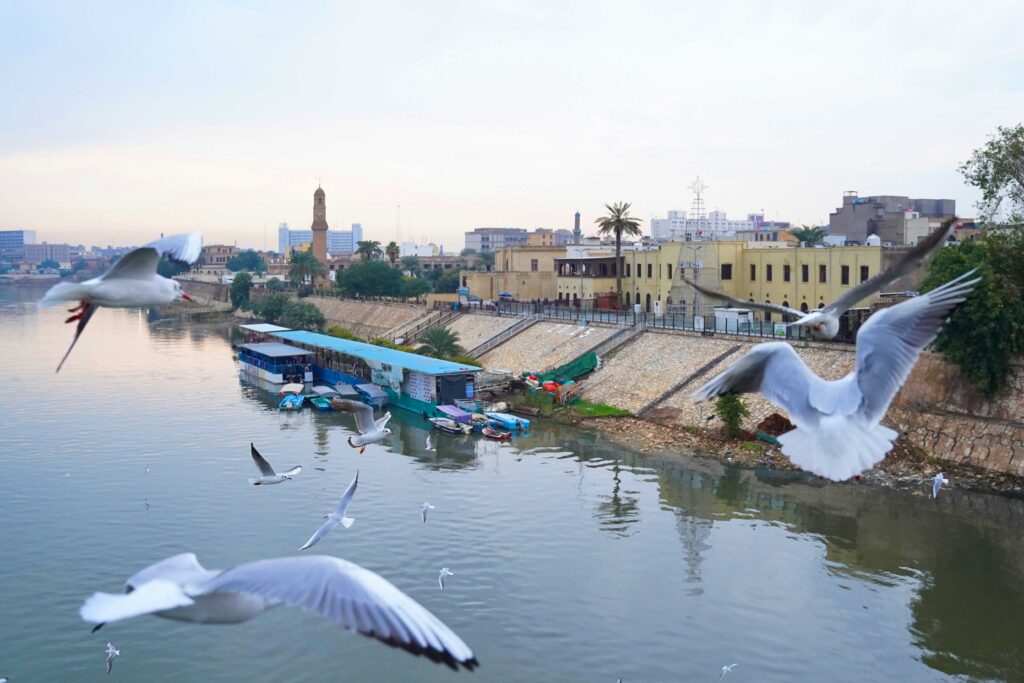
Airstrikes, retaliatory attacks, and cross-border escalation in Syria and beyond entail that Iraq can no longer remain a bystander in this war.
Off Ramps…and On Ramps amidst the Iran War
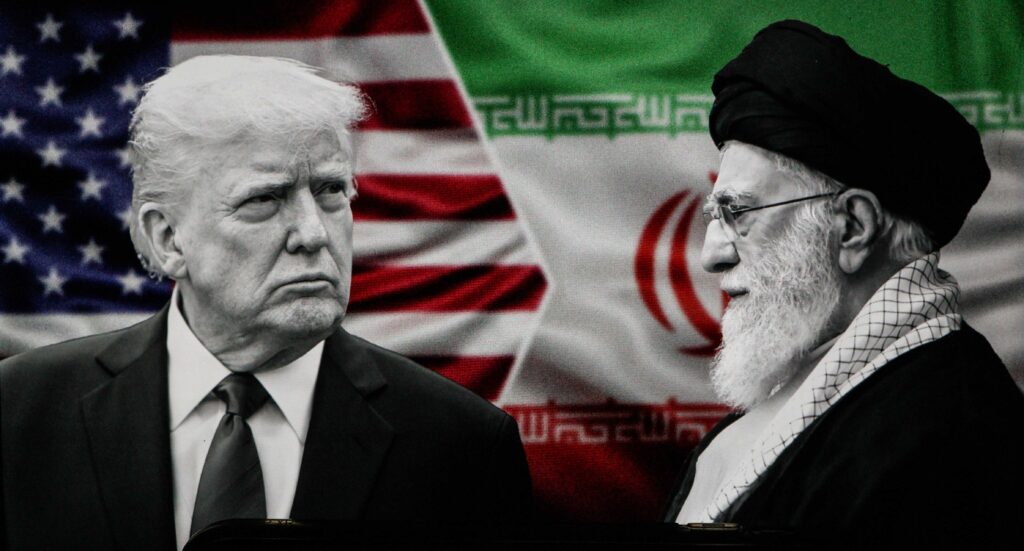
Without a political groundwork, a Kurdish-led military strategy risks deepening Iran’s internal fractures rather than accelerating political change.
When Regional Hedging Fails: War Comes to the Gulf’s Doorstep
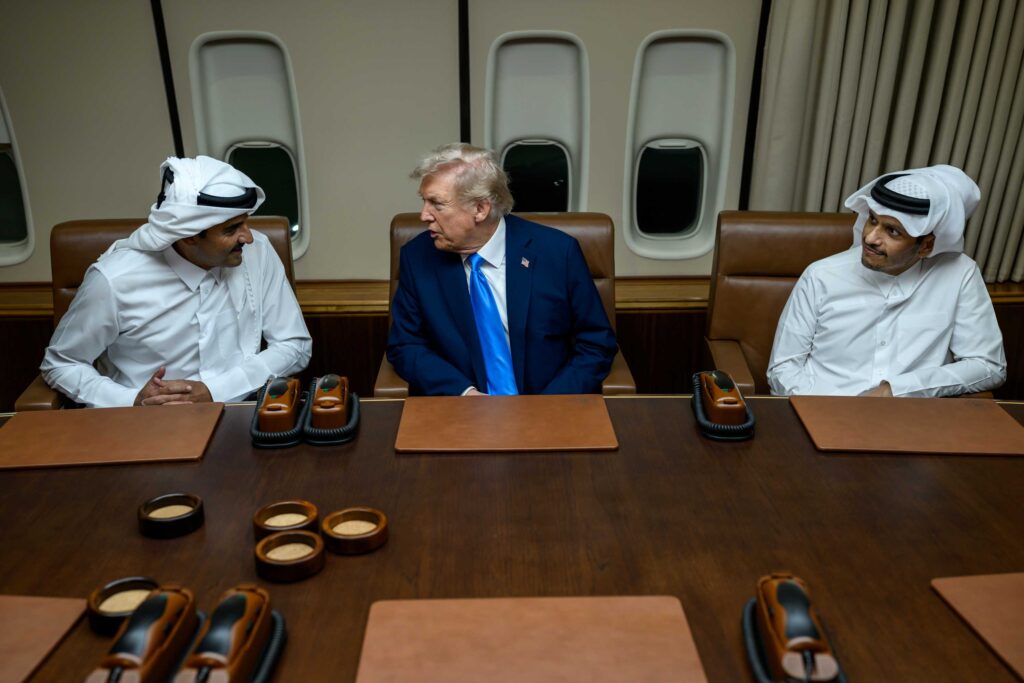
Western Narratives vs. Gulf Realities: Media Framing of the GCC in Times of Regional Conflict

For effective transregional dialogue, policy analysis in Europe and North America needs to engage more systematically with regional perspectives.
The March Echo: From Jalalabad 1989 to Tehran 2026
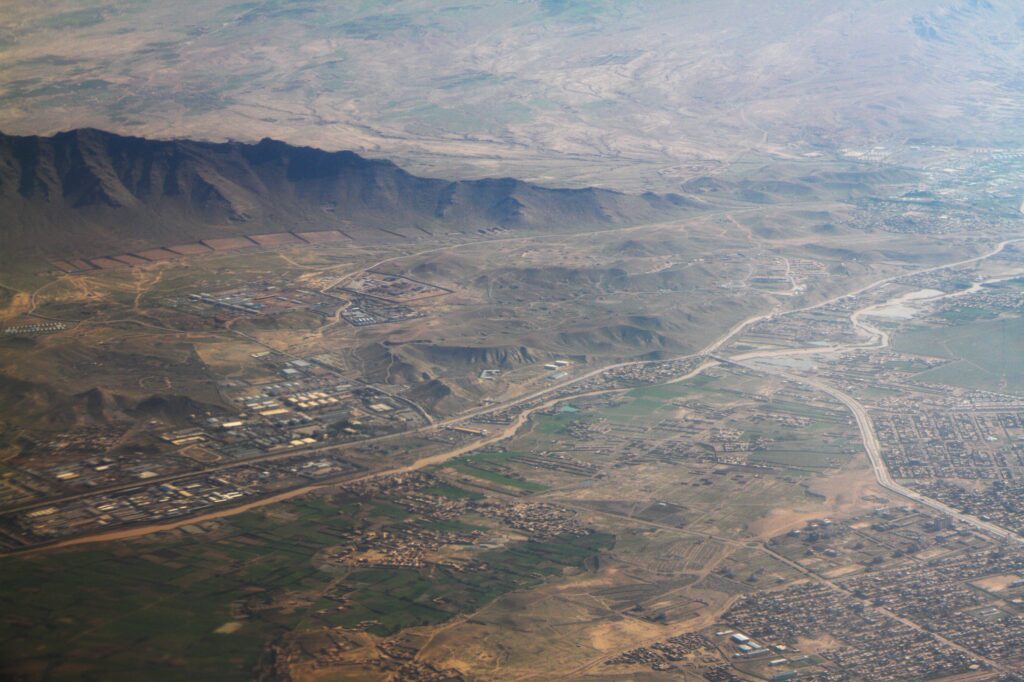
If the U.S. and Israeli operations continue without concrete vision, they may find that instead of liberating Iran, they might open the gates of chaos.
Selective Policy Transfer: Why GCC Reformers Borrow from China and Where It Breaks Down

China is less a blueprint than a reference point for the GCC. Governance instruments can be adapted, but their effects are mediated by local structures.