Skip to content

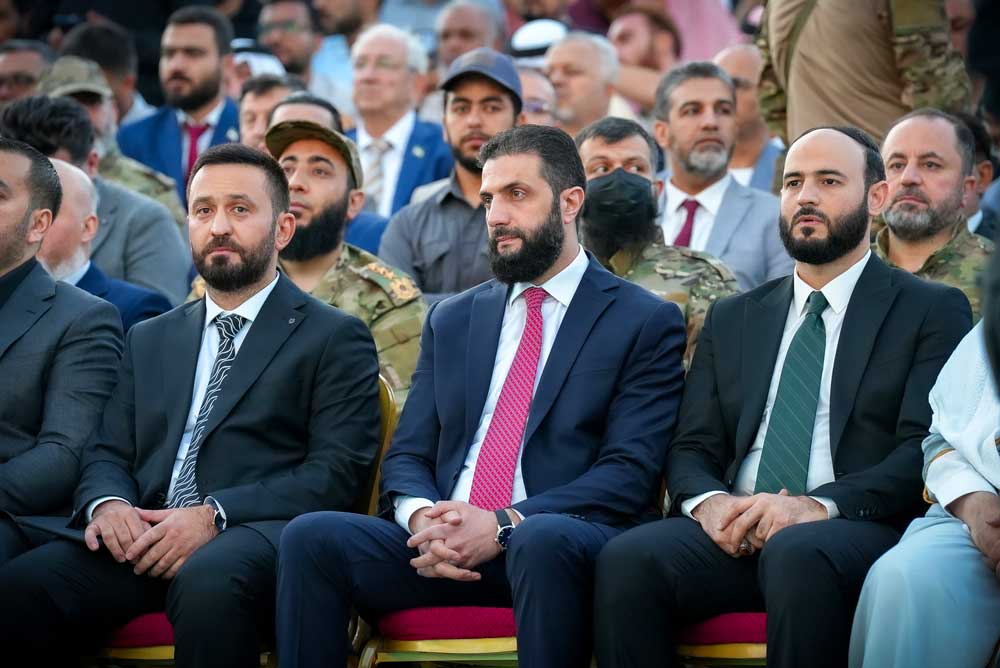
Syria’s Future Between Fragmentation and Rival Reconstruction
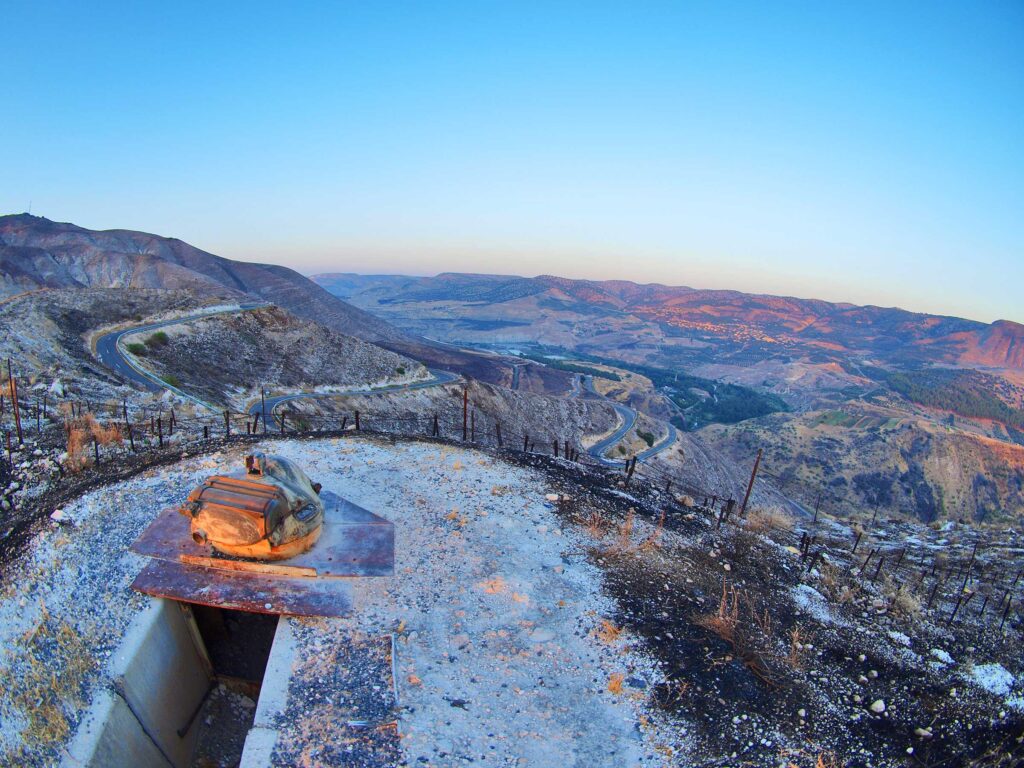
Leveraging economic and security incentives to promote gradual stability allows Israel and Syria to extract de-confliction.
How Turkey and the Syrian Interim Government Outmanoeuvred the U.S. and the SDF in Syria
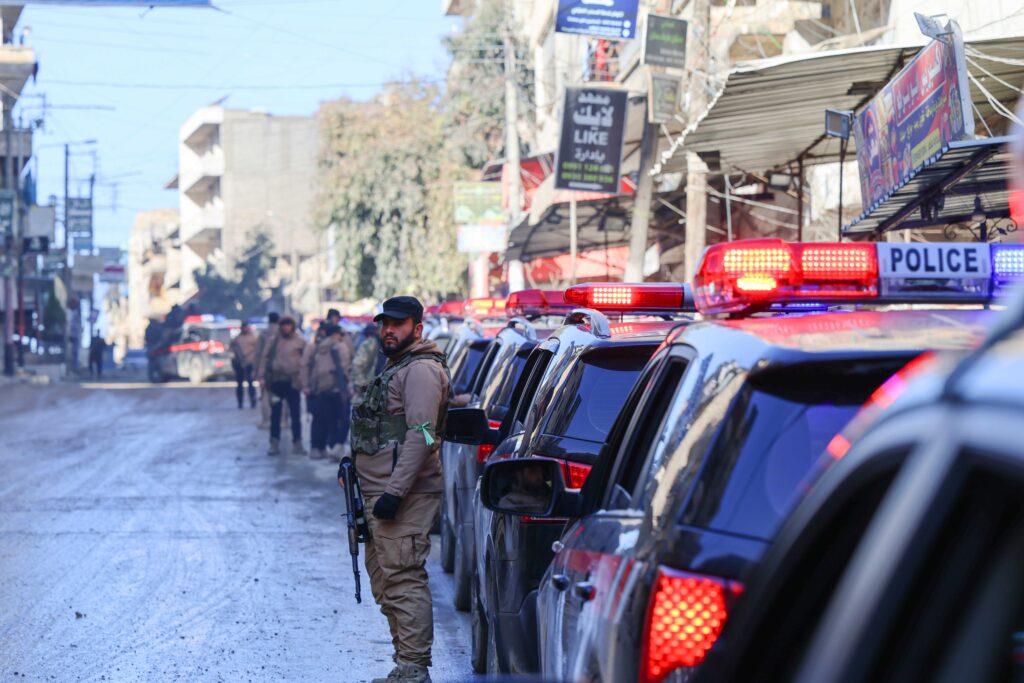
SDF forces have few options but to accept an unfavourable American- and Turkish-backed deal proposed by Damascus.
Extremism in Post-War Syria: The Al-Hol Camp and the Ideological Resurgence of ISIS
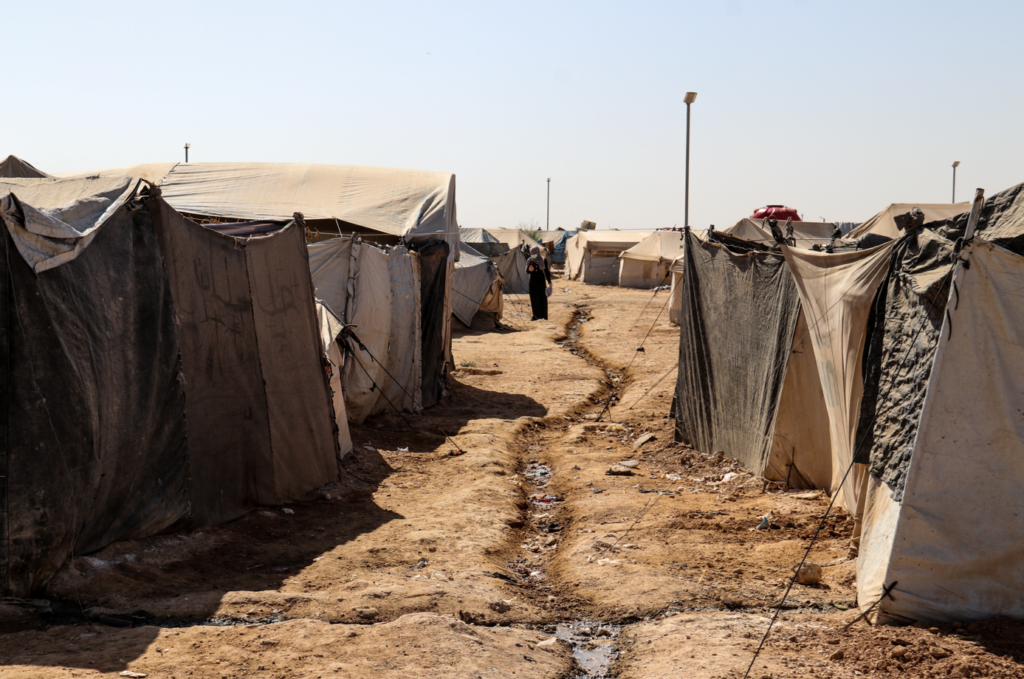
Al-Hol camp is a major security threat. The longer the detained remain abandoned, the more likely the world will once again confront ISIS.
The Future of Rojava: Kurdish Autonomy Under Threat in Syria
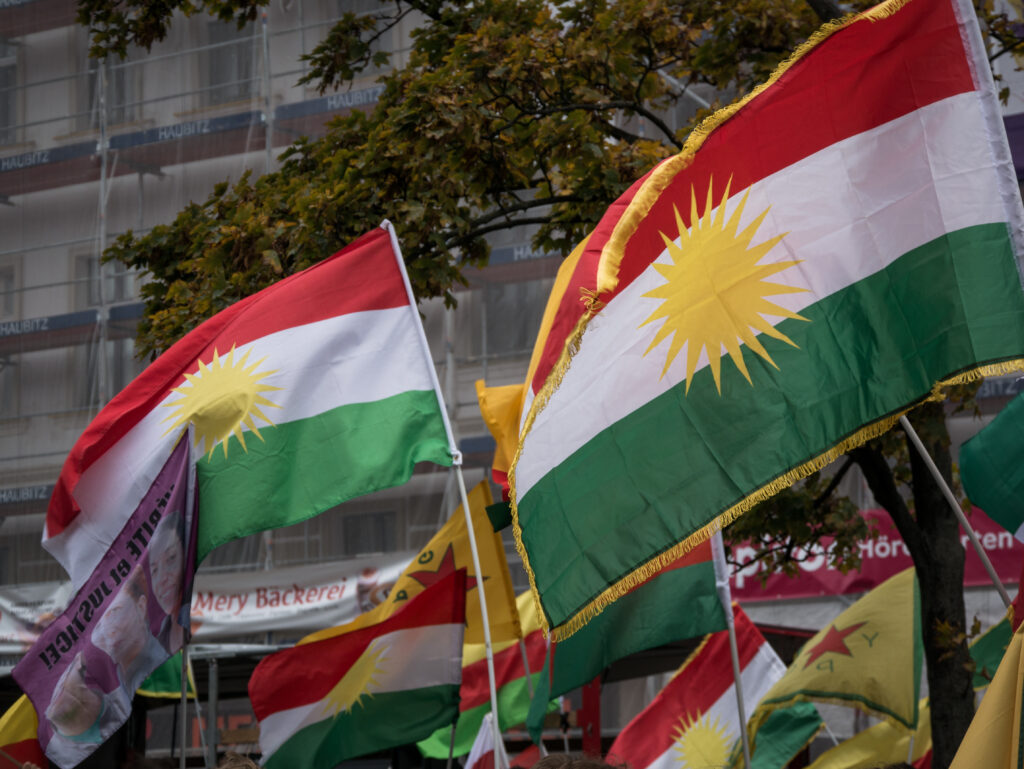
The conflict in Rojava has changed from a confrontation between the Syrian government and the SDF to a potential nationalist movement.
120 Years of Tension: The Conflict Between Constitutionalism and Shari’a-Based Governance in Modern Iranian History
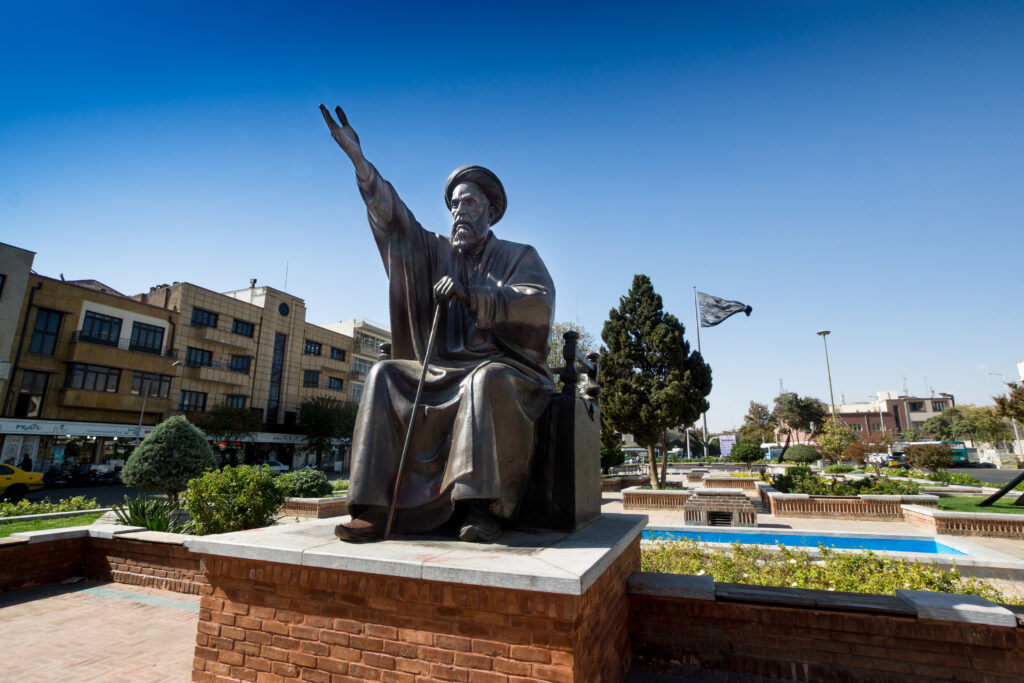
The enduring struggle between secular constitutionalism and religious authority continues to define the Iranian political landscape.
Navigating Libya’s Peace Process: How U.S. Operations Diverge from UN Goals
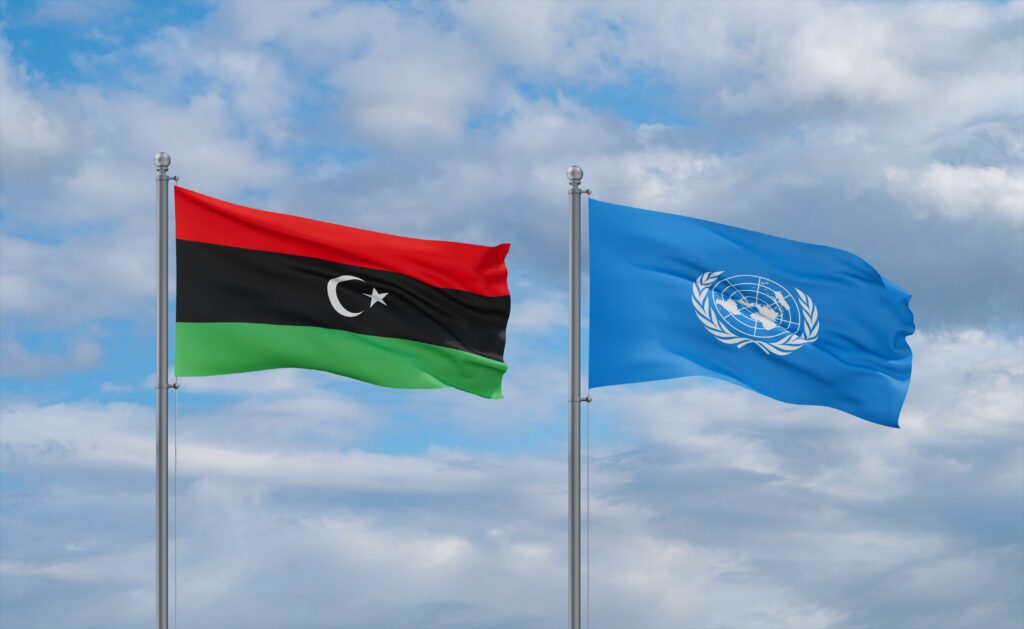
In 2026, the multiplicity of stakeholders suggest a decisive outcome leading to a fully-fledged, durable settlement remains unlikely in Libya.
Niger’s Uranium Gambit is a Warning for UK-MENA Critical Minerals

Türkiye’s Quest for the F-35 Goes Beyond Air Superiority
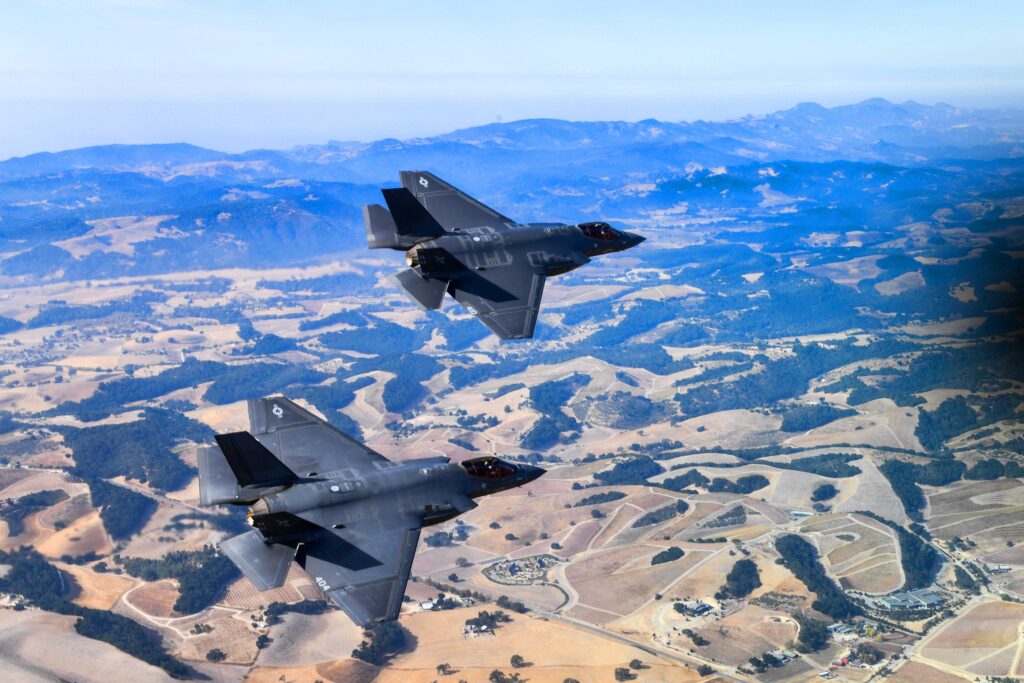
For Türkiye, access to the F-35 is not only about technology, but its standing as a full and respected member of the U.S.-led Western alliance.
Iran After the Islamic Republic and The Pahlavi Question
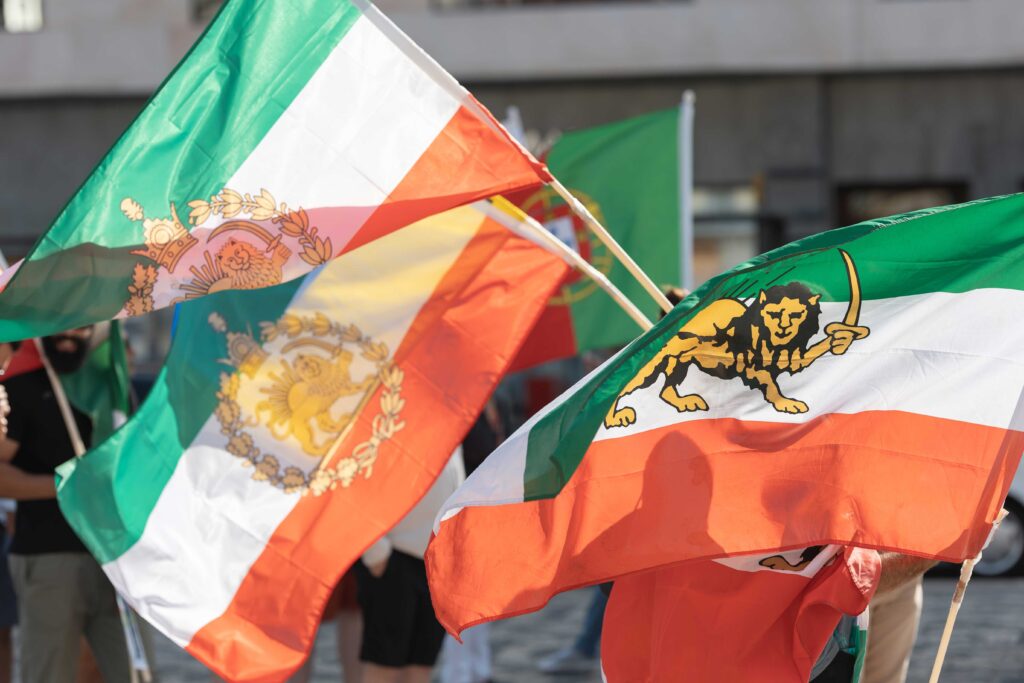
The question is not if Iran’s regime changes, but if this allows authority to be moulded from abroad rather than being legitimised by Iranians.
Syria for Sale