
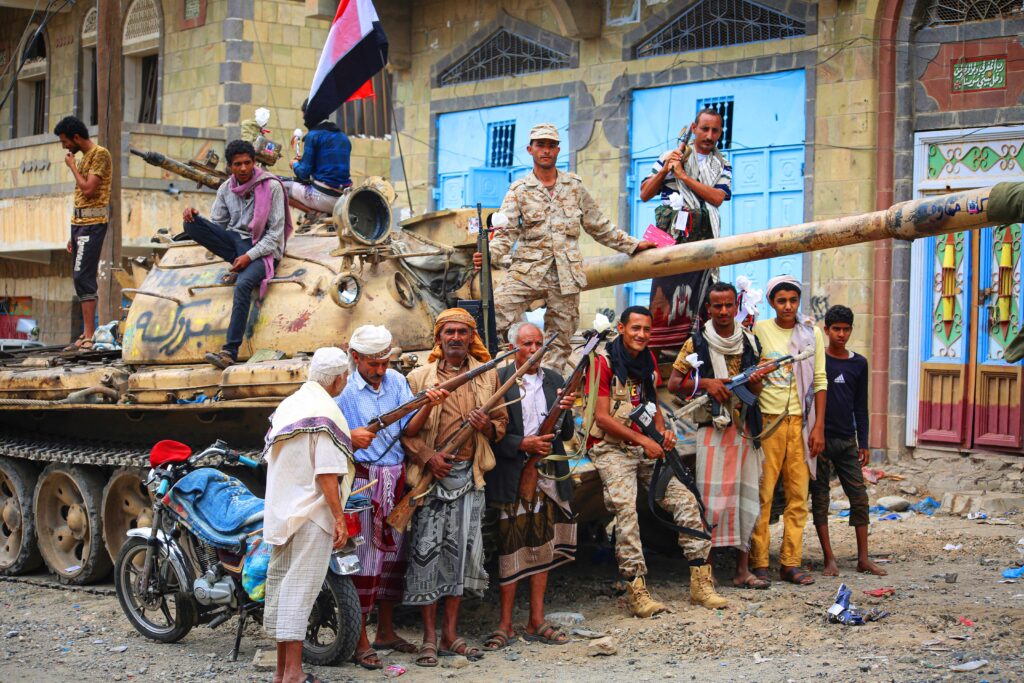
The Long Road to a Substantive Settlement in Yemen
Opportunistic Strategies in Times of Crisis: The Syrian Government’s Pursuit of Power and Recognition Amidst Civil War

The recent earthquake serves as a compelling instance of the Syrian regime’s propensity to exploit disasters for its own gains
What Does ISIS’ Survival Tell Us About Countermeasures?

Why has ISIS has been able to survive and display “a resilient insurgency” despite the international community’s efforts to eradicate the group?
How the Taleban’s Second Emirate is Transforming Afghanistan

Libya Can Move Past Its Current Political Deadlock, But It Will Take Work to Maintain Any ‘Deal’

Any path toward sustained peace and stability for Libya will require leaders to deliver dividends to the Libyan people for their confidence and support—first and foremost in the form of basic security, and beyond that, in overall governance reforms and economic development.
Unpacking Turkey’s May 14 Elections: Ideological Transformation, Geopolitical Preferences and Conjunctural Needs

The rapidly shifting political landscape in Turkey is poised for the emergence of a new balance of power at any moment.
The Expansion of Baku-Erbil Relations and its Impact on Iran

China and the Middle East: From Performative to Substantive Participation in Regional Affairs?

The tripartite China-Saudi Arabia-Iran agreement does not herald the beginning of a new era of Chinese primacy in the region.
Between the Pen and the Sword: Continuity and Change in the EU’s Foreign Policy for the Middle East

Can Disaster Diplomacy Overcome Geopolitical Differences after Turkey’s Devastating Earthquake?
