
The UK’s withdrawal from the Middle East: The time for a bold recourse of action
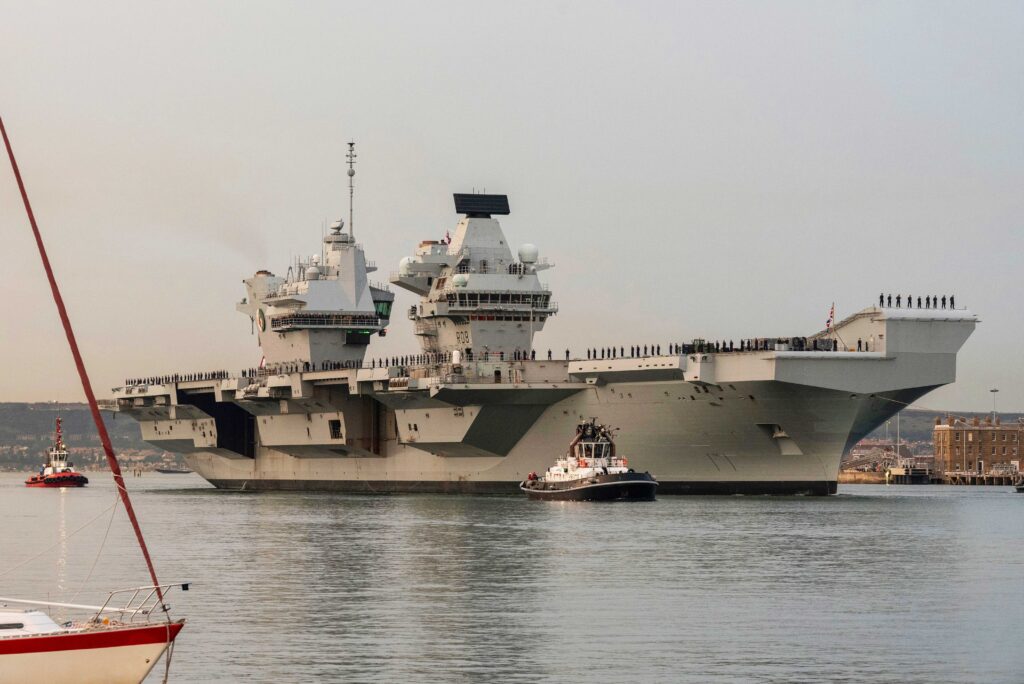
UK ends 46-year Middle East naval presence, raising strategic, economic, and security challenges amid Iran crisis. Fleet renewal and allies now key.
War in the Middle East and the Role of AI-Powered Cyberattacks

Turkey and Ethiopia’s Growing Alignment

The Middle East is drifting toward rival security blocs
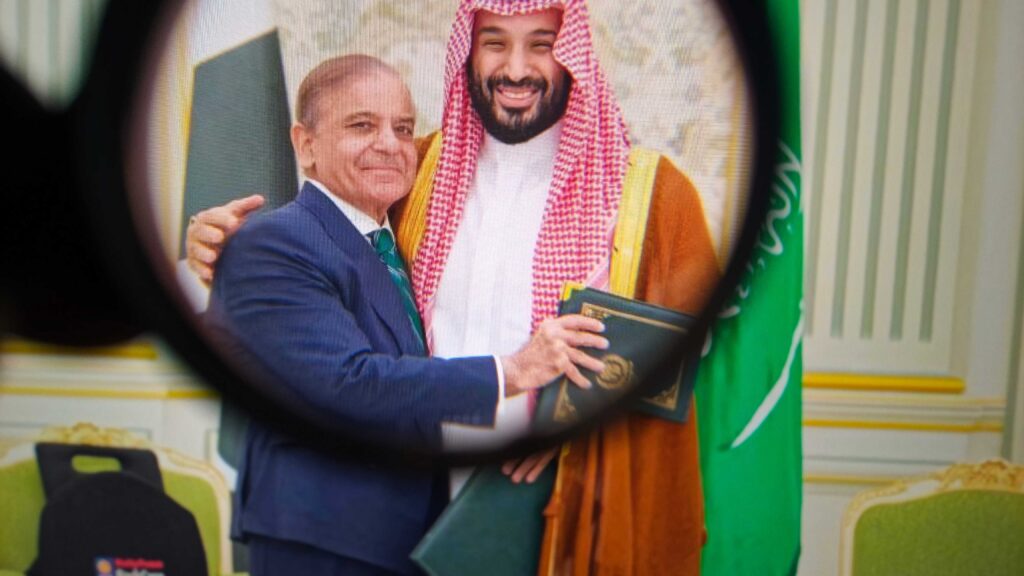
Saudi Arabia is pursuing a more institutionalized model while the UAE’s flexible hedging emphasizes optionality over commitment in security.
Mitigating Maritime Risks: Mapping Dark Ships from Russia and Iran to India and China
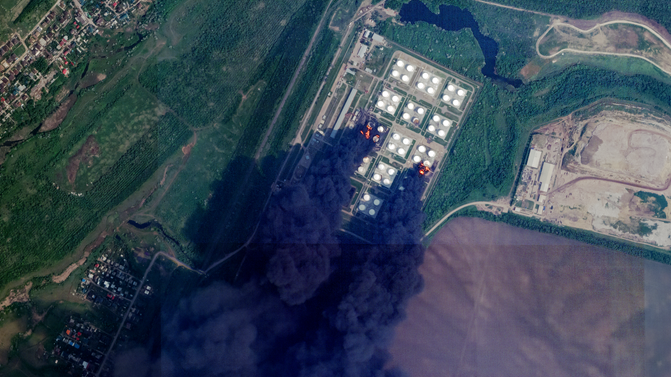
The 2025 Ukrainian strikes show that dark vessels are now at the crossroads of sanctions enforcement, hybrid conflict, and maritime safety.
Israel’s Recognition of Somaliland is a Game-Changer for Middle East Strategy

How to Finally Disarm Hezbollah

Hezbollah will be disarmed not in battle, but by the steady removal of conditions that once made its arsenal appear necessary, viable, or legitimate.
Yemen’s Southern Front: Strategic Leverage, Fragmentation, and Regional Risk

Yemen’s multidimensional conflict is shaped by local ambitions, foreign patronage, and regional rivalries, intersecting with global interests.
F-35 Politics in a Changing Middle East: The U.S.–Saudi Deal and the Future of Israel’s Air Superiority
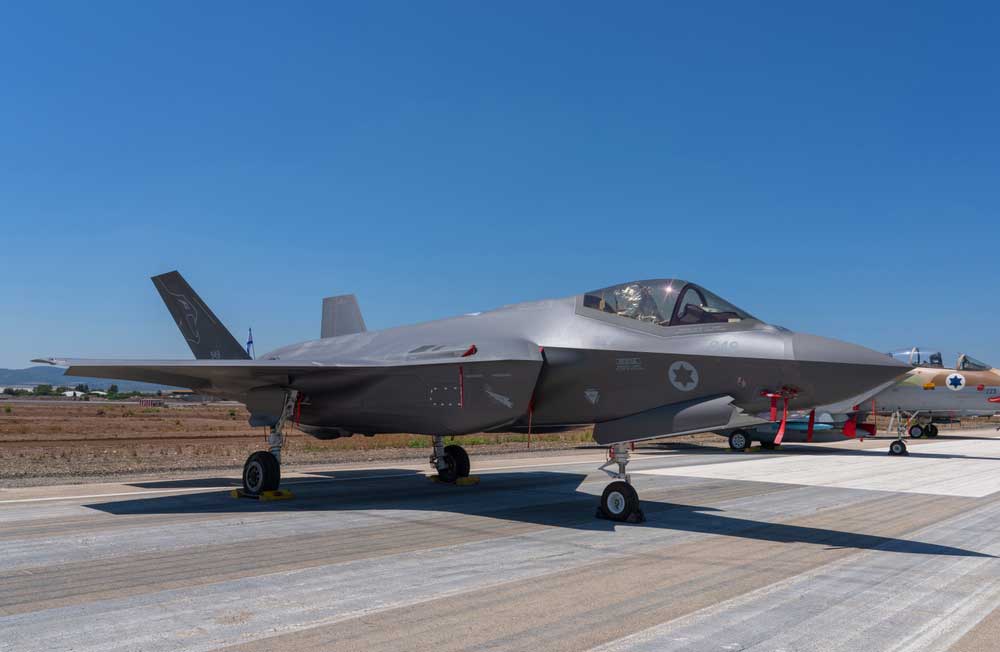
The Middle East’s strategic calculations will depend on how the U.S. manages its commitments, Riyadh pursues its ambitions, and Israel adapts.
Leveraging AI as a Soft Power in the GCC

The GCC’s AI investments represent economic diversification, a redefinition of soft power, geopolitical independence, and state modernization.