
The Nuclear Consequences of Iran’s Domestic Politics

The intertwining of Khamenei’s succession with high-stakes nuclear negotiations contributed to setting Iran on a path of confrontation with the West.
The Shadow of the “Trigger Mechanism” over Iran

The threat of using the “Trigger Mechanism” or “Snapback Mechanism” on Iran by the JCPOA’s European troika has increased.
Why Algeria Should Choose Restraint Over War – The Deterrent Power of Prestige

It is not military intervention but strategic restraint that will best safeguard Algeria’s influence and security.
Another Kurdish Resolution Process Underway: Between Hope and Contradictions

Is the Kurdish peace process aiming to resolve a decades-old issue or pull together a minimum winning coalition for Erdoğan to maintain his rule?
As PKK Lays Down Arms, What About Reintegration?

Turkish military operations and the lack of legal guarantees embed a distrust that could jeopardize the promising peace process with the PKK.
How AI Can Help the UAE Sustain Its Post-Grey List AML Reforms

AI provides practical tools that can empower UAE financial institutions in their anti-money laundering (AML) efforts.
Qatar’s Expanding Mediation in the Russia‑Ukraine War

Qatar’s diplomatic ties with conflicting parties, persistence, and carefully targeted incentives continues to make it one of the few credible mediators.
The Systemic Consequences of the U.S.’ Attack on Iran
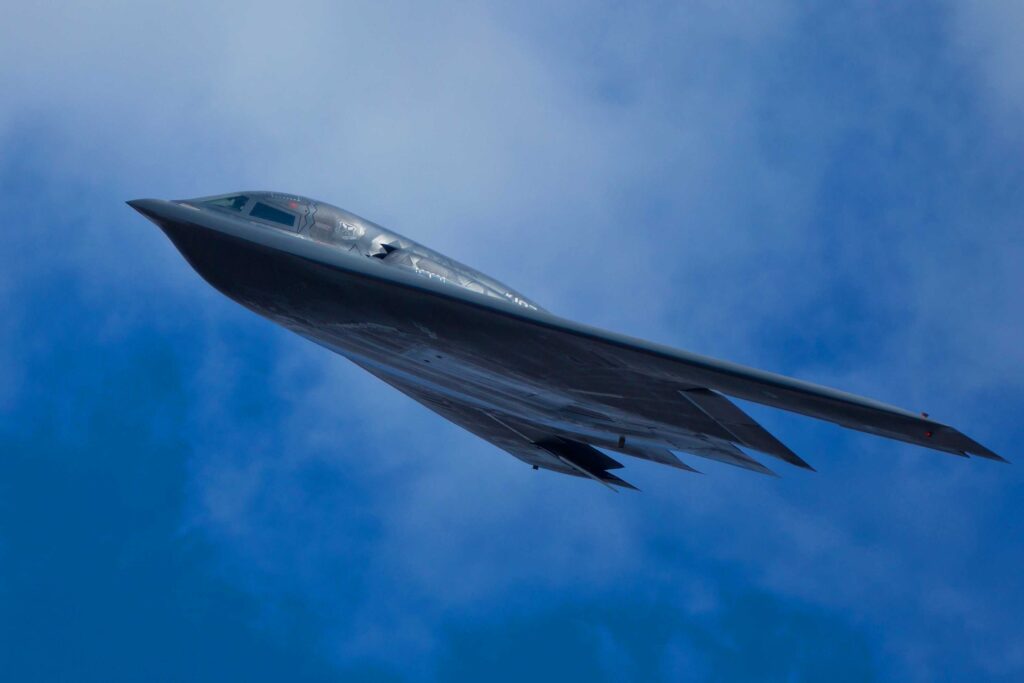
The U.S.’ attacks on Iran triggered a systemic recalibration, setting the first waves of adjustment, retaliation and realignment in motion.
Turkey Moves to Fill the Opening Left by Iran

In a new spike of competition and amid Iran’s retreat as a result of Israel’s military pressure Turkey emerges as a prominent power.
Missile Defense in the Middle East: A Smart Investment That Must Evolve

Missile defense cooperation between the US and its partners in the Middle East has been one of the success stories of U.S. national security policy.