 Skip to content

How the Israel-Lebanon Agreement May Reshape State Responsibility for Armed Non-State Actors
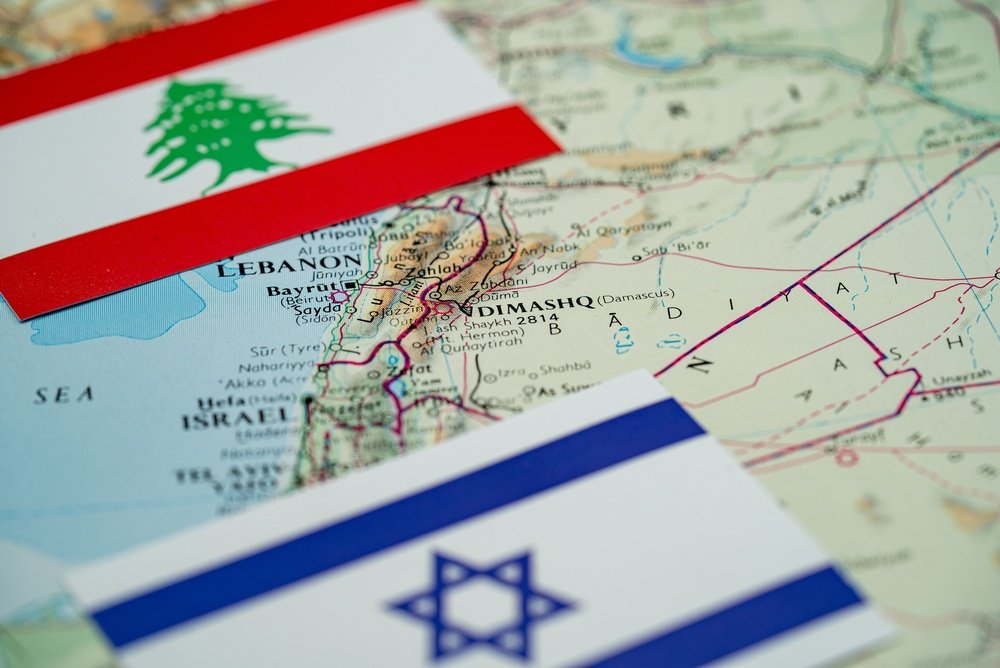
The Israel-Lebanon Framework Agreement shifts state responsibility to compliance with obligations concerning non-state armed actors.
The Gulf’s New Information Battlefield: War, Technology, and the Reconfiguration of Security

The Iran war reshaped Gulf security by accelerating information control, cyber governance and the political dimensions of citizenship.
Iran’s Internal Political Divide Reignites Conflict with the U.S.
Renewed U.S.-Iran hostilities highlight how the IRGC’s growing influence over Iran’s civilian leadership is reshaping regional security and diplomac
Why Iran Signed the MOU and What It Preserved
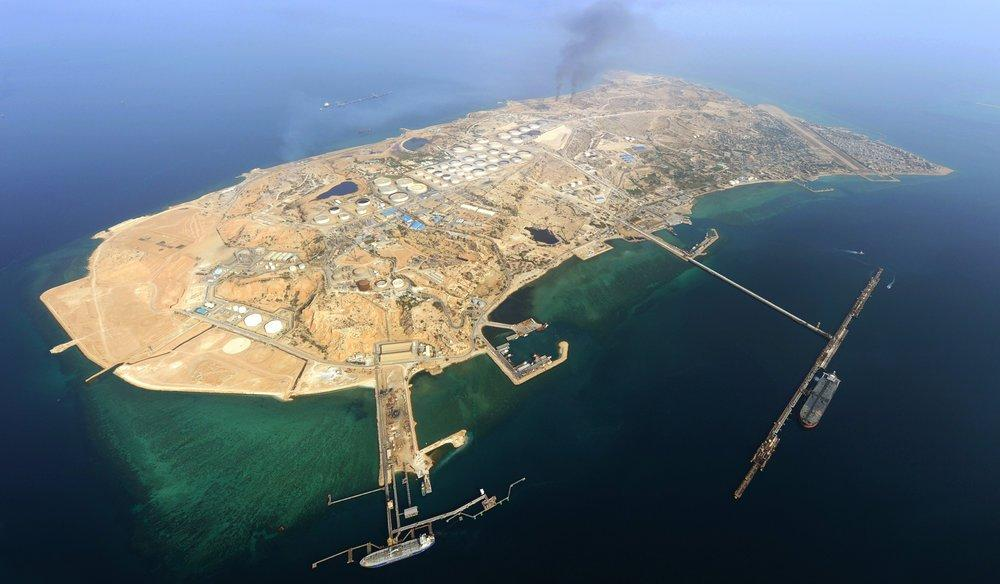
Examining why the 2026 U.S.–Iran MOU preserved Iran’s productive capacity while maintaining pressure on its nuclear programme.
The Credibility Trap: How Maximum Pressure Weakened U.S. Coercive Power
The Iran case reveals how repeated threats, policy reversals and ineffective coercion can weaken great-power credibility and undermine deterrence.
Can Economic Reconstruction Rebuild U.S.–Iran Relations?

A new U.S.–Iran framework links investment, sanctions relief and security. Can economic integration succeed where pressure and war failed?
Turkey Reshapes the Organization of Turkic States
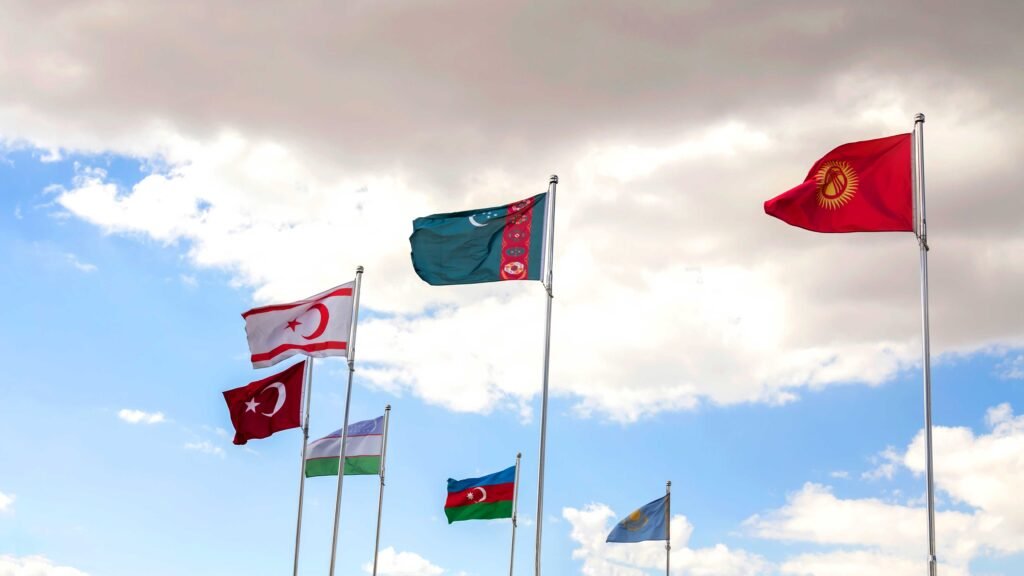
The Organization of Turkic States is evolving into a geopolitical force, driven by connectivity, security, and Central Asia’s critical minerals.
Tehran’s Baloch Calculus Amid the War with the U.S.
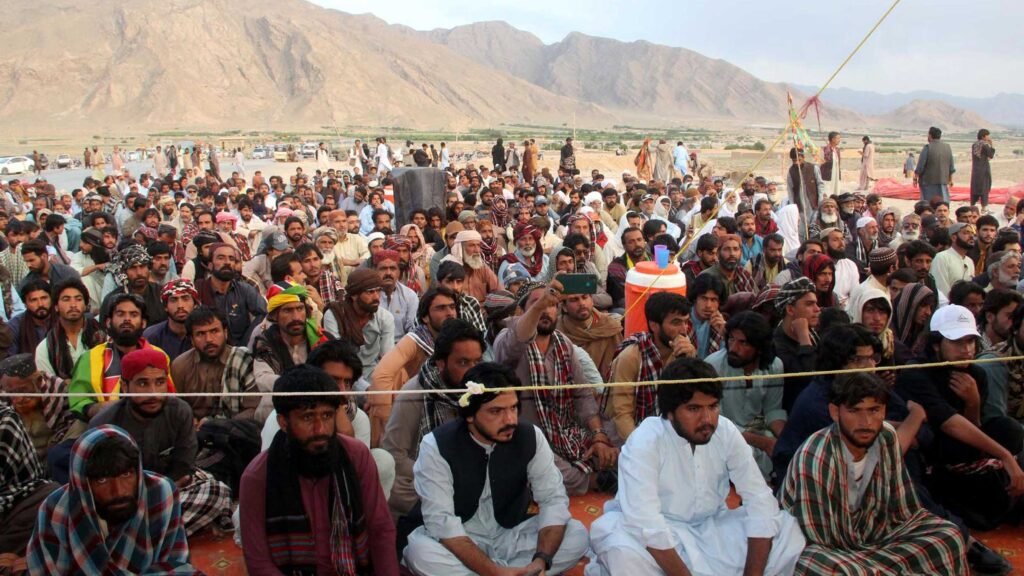
As Iran faces external pressure, Balochistan emerges as a key flashpoint where dissent, repression and insurgency challenge Tehran’s power.
The Reluctant Merchant: Iran War, Beijing Summit, and the Limits of Predominance
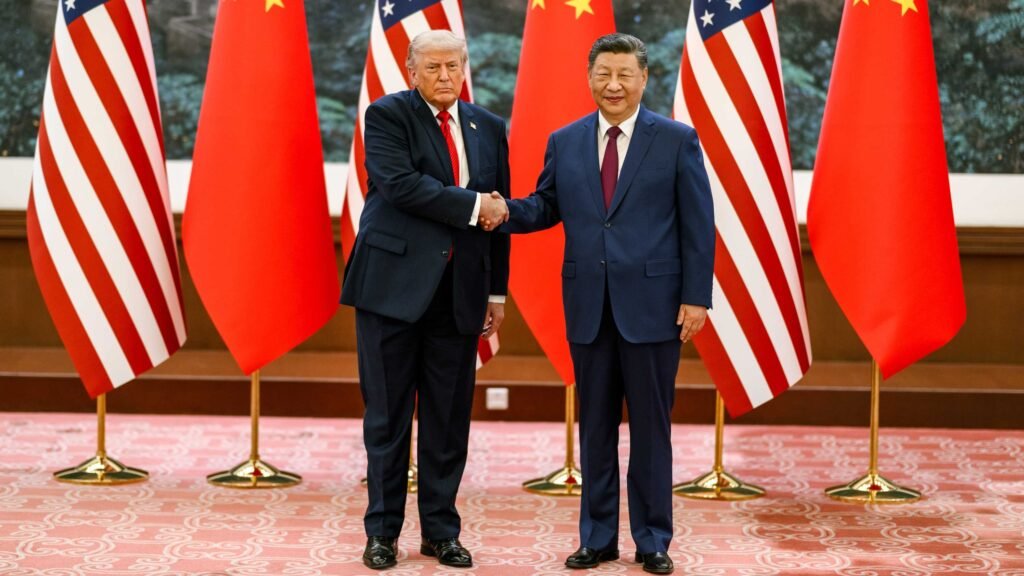
Analysis of Trump’s Beijing visit, US-China-Iran dynamics, and the ‘reluctant merchant’ era showing limits of US power in a shifting global order.
Iran’s Transition from Hierarchical to Flat Leadership
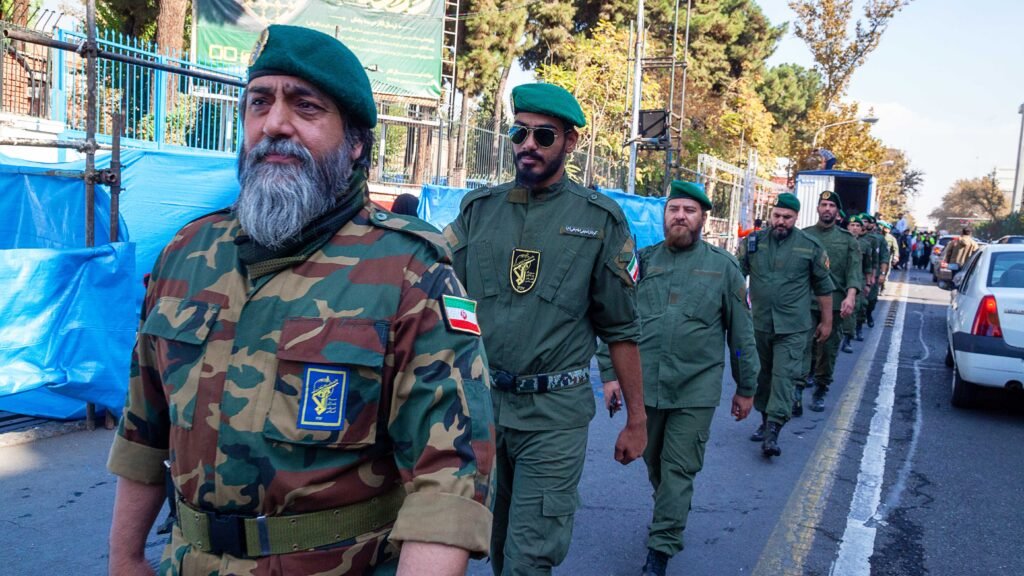
Iran’s leadership has transformed its system from a hierarchical structure into a fragmented, decentralized order dominated by the IRGC in 2026.