
The Systemic Consequences of the U.S.’ Attack on Iran
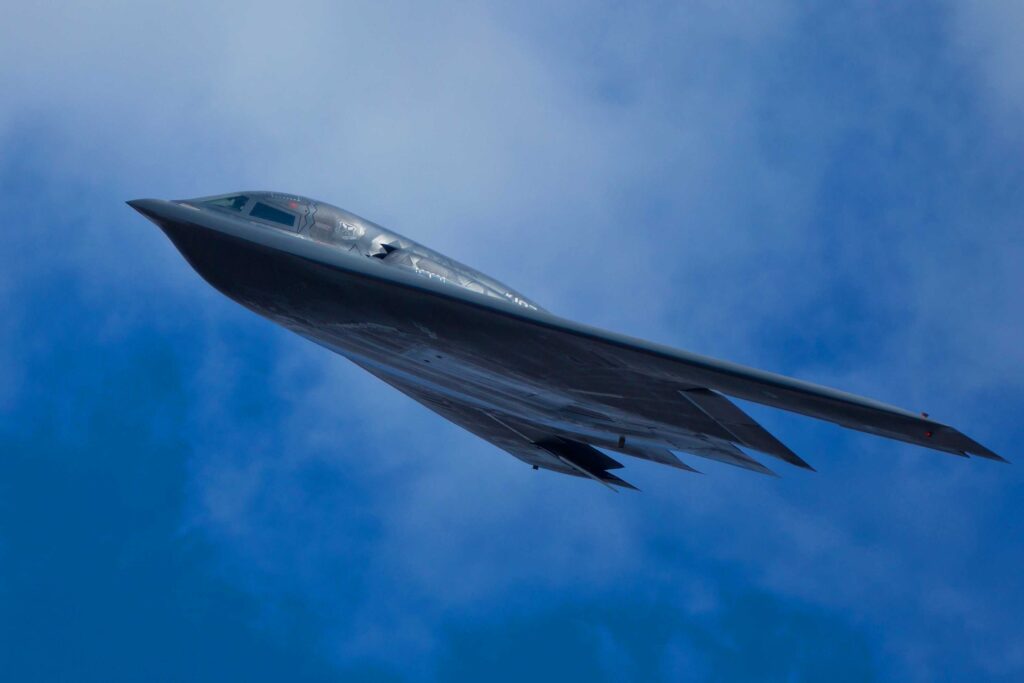
The U.S.’ attacks on Iran triggered a systemic recalibration, setting the first waves of adjustment, retaliation and realignment in motion.
Turkey Moves to Fill the Opening Left by Iran

In a new spike of competition and amid Iran’s retreat as a result of Israel’s military pressure Turkey emerges as a prominent power.
Missile Defense in the Middle East: A Smart Investment That Must Evolve

Missile defense cooperation between the US and its partners in the Middle East has been one of the success stories of U.S. national security policy.
Russia’s Power Play in Post-Western Afghanistan

Instead of fostering stability, Moscow’s recognition of the Taliban in Afghanistan may increase volatility in the region.
Washington, Tel Aviv and Tehran’s Battle to Redraw the Strategic Map of the Middle East

The Middle East is not on the verge of collapsing, but rather, its strategic map is being redrawn from Tel Aviv, Washington, and Tehran.
UK’s Endorsement of Morocco’s Autonomy Plan Signals Turning Point in Foreign Policy

The UK’s support for Morocco’s Autonomy Plan for the Western Sahara reflects changing strategic considerations in North Africa and…
Hezbollah in Decline: Between Resistance Rhetoric and Strategic Reality

Recent events from September 2024 have sparked doubts about Hezbollah’s ability to retain power going forward.
Syria: Alliance Politics and the New Regional Order

Syria is at a turning point. Alliances are shifting toward stabilization, and major powers seem inclined to cooperate rather than confront one another.
Global History’s Lessons for Two-State Solutions: Implications for Israel/Palestine

Largely ignored in foreign policy making is international history’s reading of two-state solutions, with important implications for Israel/Palestine.
Violence Against Women and Challenges to Political Participation in Libya

Lebanon’s personal status laws have hindered women’s access to just legal processes, economic opportunities, and political participation.