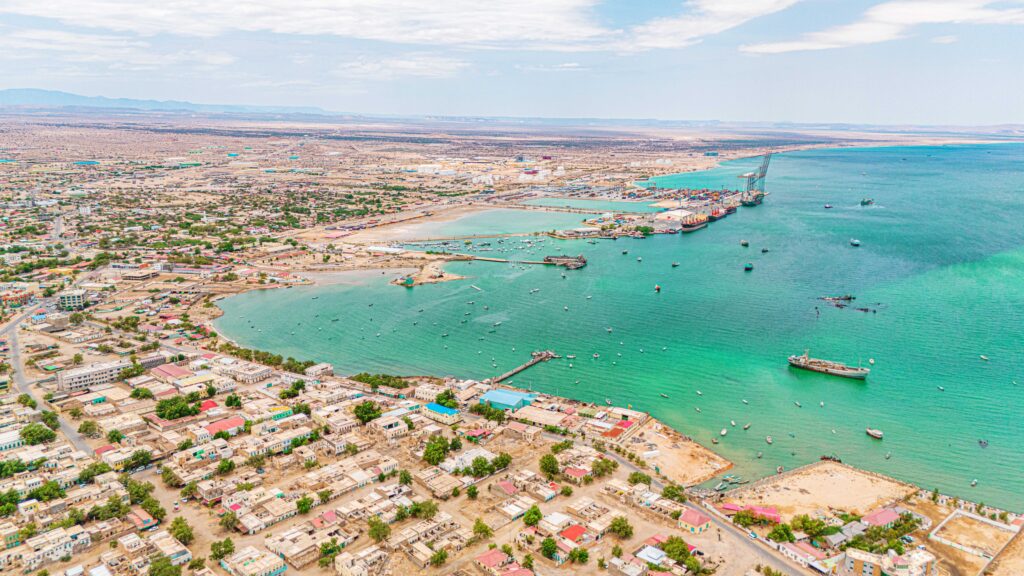
A New Gulf Order: How the UAE is Overtaking Saudi Arabia in regional leadership

The diverging paths the UAE and Saudi Arabia are likely to persist. The future of Gulf leadership may become more plural, adaptive and contested.
Mitigating Maritime Risks: Mapping Dark Ships from Russia and Iran to India and China
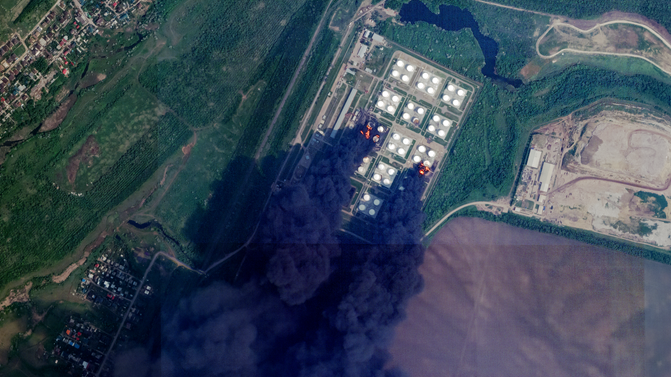
The 2025 Ukrainian strikes show that dark vessels are now at the crossroads of sanctions enforcement, hybrid conflict, and maritime safety.
The Future of Rojava: Kurdish Autonomy Under Threat in Syria
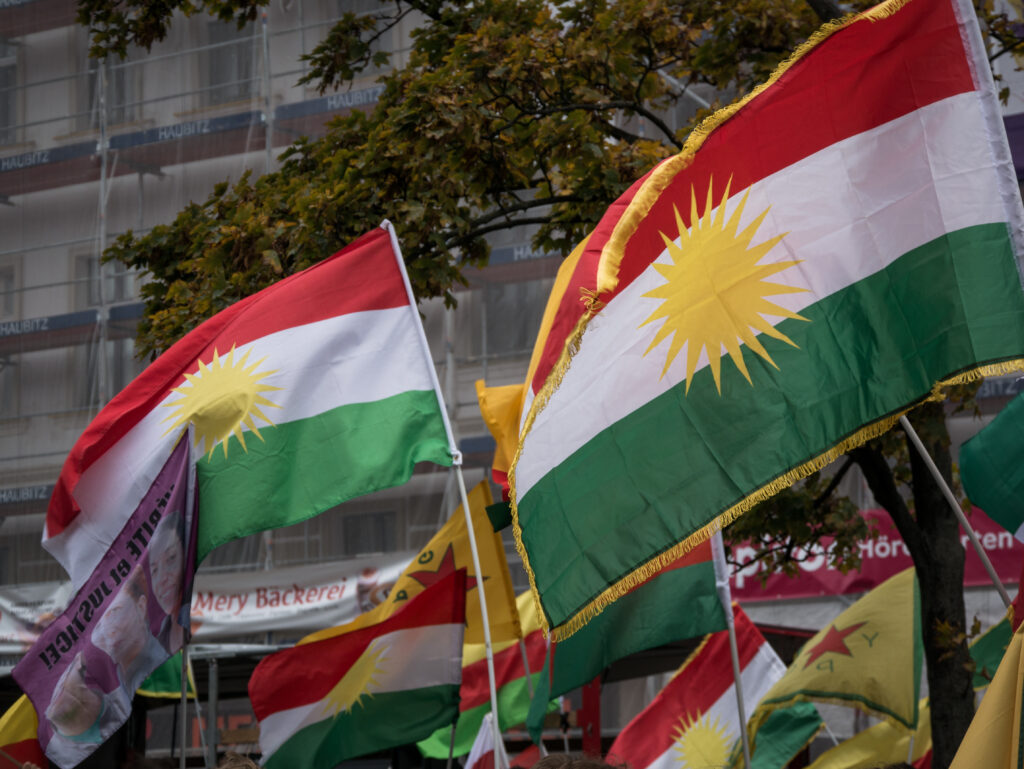
The conflict in Rojava has changed from a confrontation between the Syrian government and the SDF to a potential nationalist movement.
120 Years of Tension: The Conflict Between Constitutionalism and Shari’a-Based Governance in Modern Iranian History
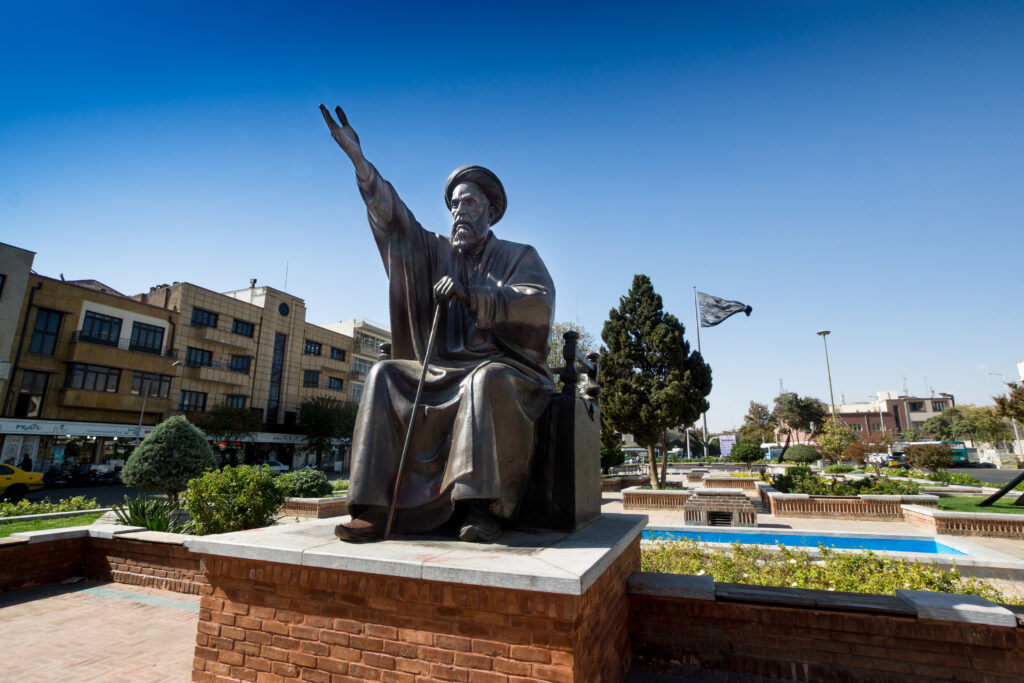
The enduring struggle between secular constitutionalism and religious authority continues to define the Iranian political landscape.
Navigating Libya’s Peace Process: How U.S. Operations Diverge from UN Goals
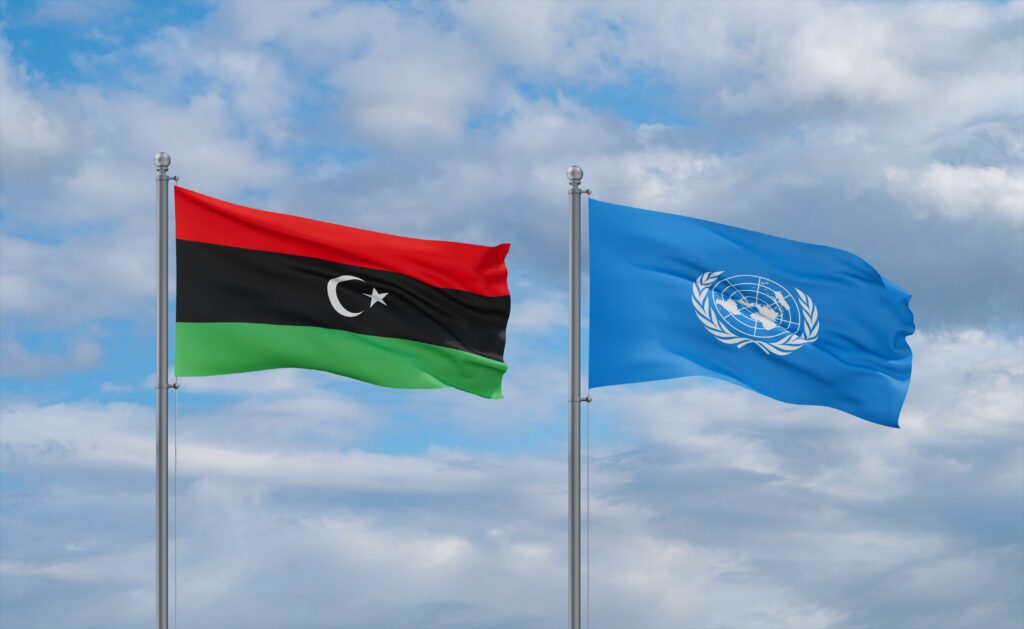
In 2026, the multiplicity of stakeholders suggest a decisive outcome leading to a fully-fledged, durable settlement remains unlikely in Libya.
‘Dari’ and the Politics of Cultural and Civilisational Erasure in Afghanistan
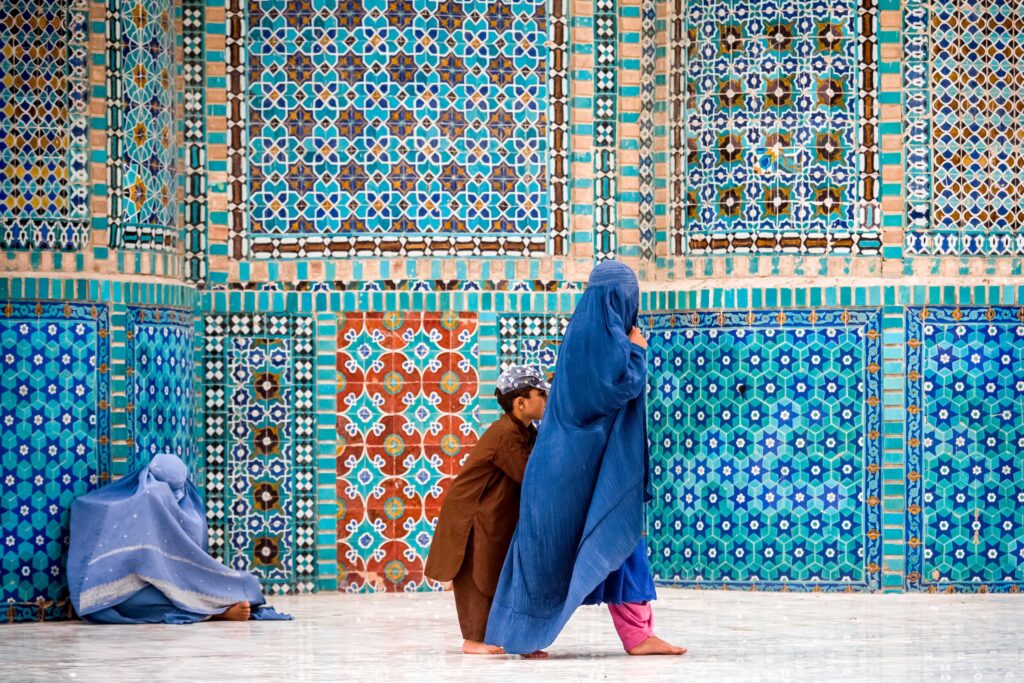
The Taliban seek to marginalise Persian (Dari) in favour of Pashto, which forms part of a broader pattern of cultural suppression in Afghanistan.
Niger’s Uranium Gambit is a Warning for UK-MENA Critical Minerals

Türkiye’s Quest for the F-35 Goes Beyond Air Superiority
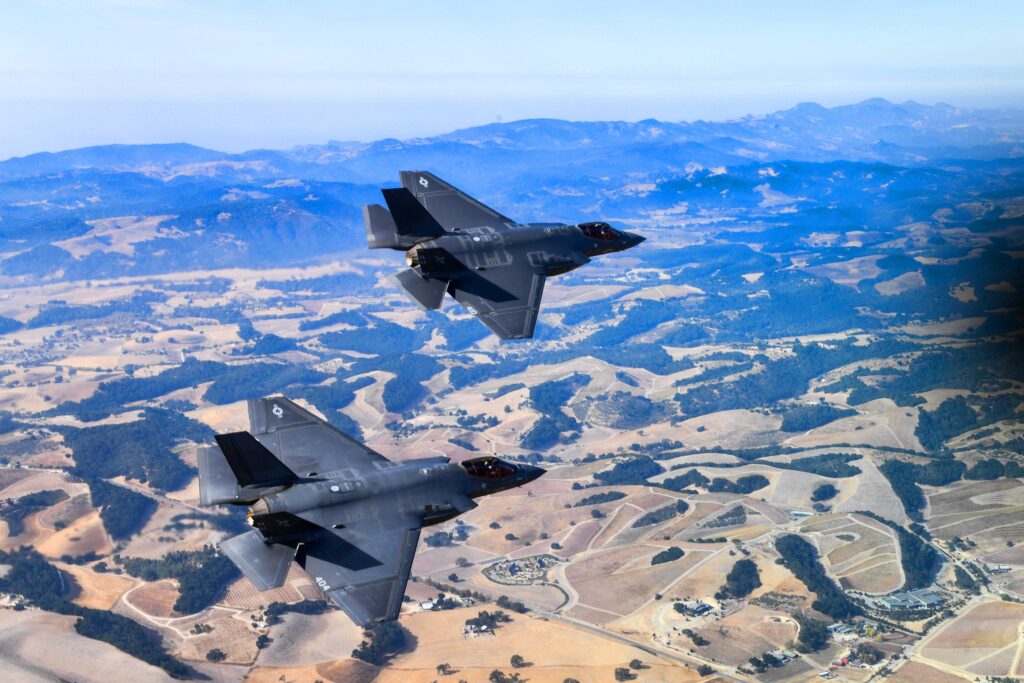
For Türkiye, access to the F-35 is not only about technology, but its standing as a full and respected member of the U.S.-led Western alliance.
Iran After the Islamic Republic and The Pahlavi Question
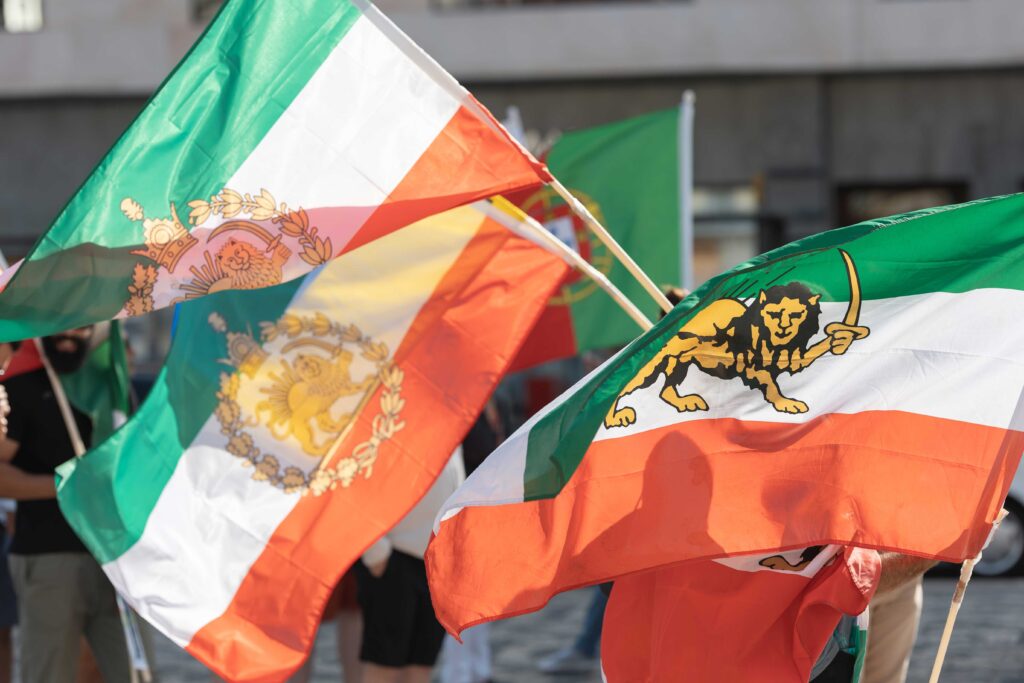
The question is not if Iran’s regime changes, but if this allows authority to be moulded from abroad rather than being legitimised by Iranians.
Israel’s Recognition of Somaliland is a Game-Changer for Middle East Strategy