 Skip to content

Iran’s Nuclear Threat and Israel’s Nuclear Option: Thinking the Unthinkable
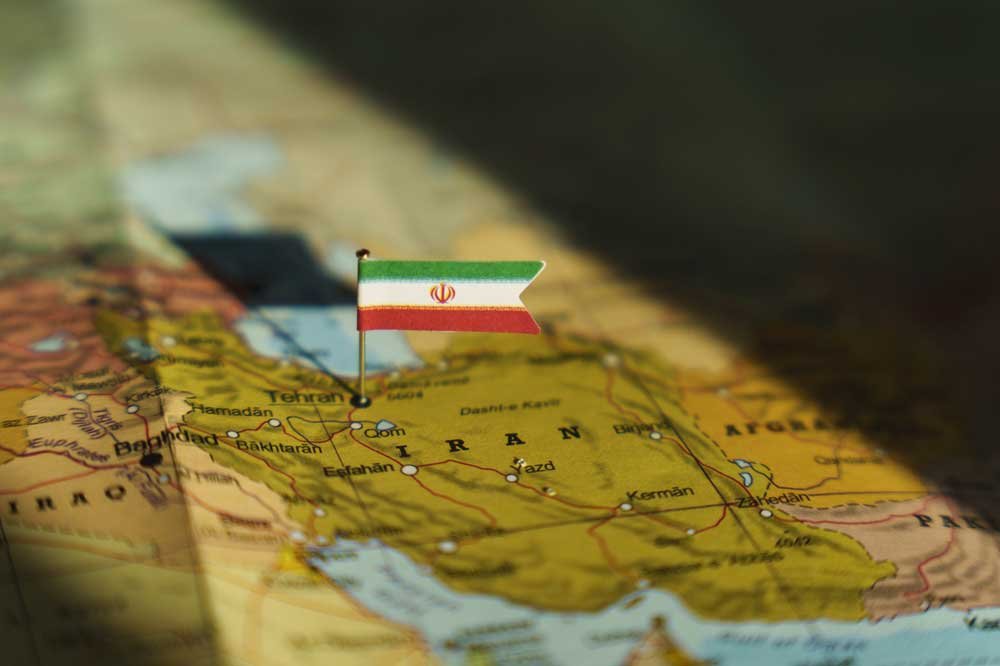
Can military force stop Iran’s nuclear ambitions? History shows why strikes may delay proliferation but rarely eliminate nuclear capability for good.
The Middle East’s New Economic Corridors and the Strait of Hormuz Crisis
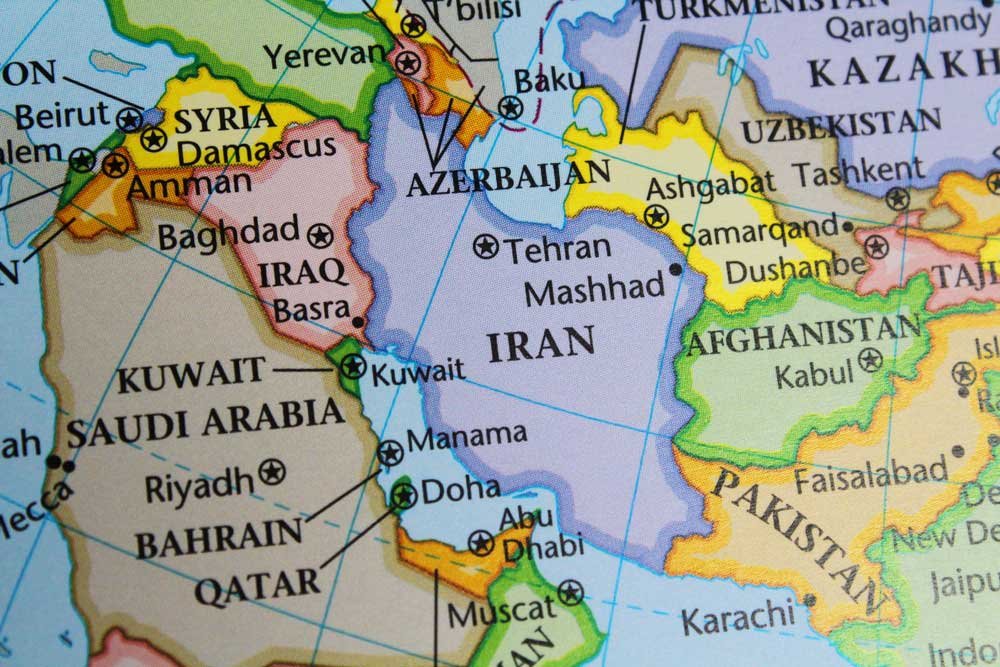
IMEC and Iraq’s Development Road promise alternatives to Suez, but Red Sea and Hormuz crises expose new dependencies and challenges.
Cambridge MENAF Launches Report on the Evolution of Women’s Role in Iranian Media
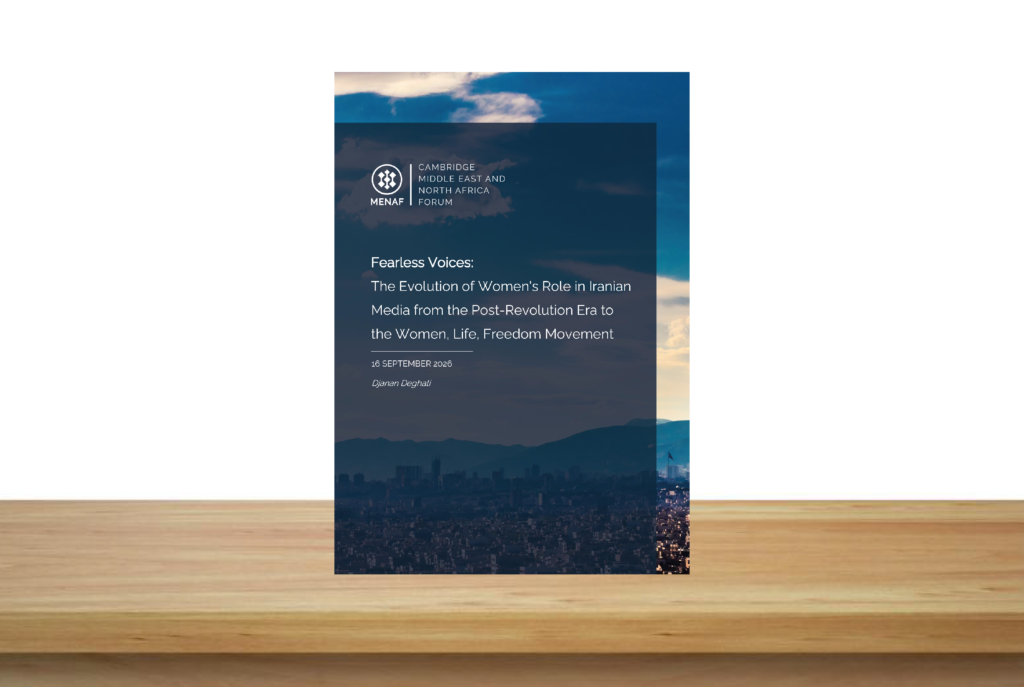
Cambridge MENAF launches Fearless Voices tracing how Iranian women journalists challenged repression and shaped media from 1979 to Woman, Life, Freedom in Iran.
The Iran War and the UK’s “Reset” towards the Middle East
The Iran war exposes limits in Britain’s NATO-first strategy, creating an opportunity for a pragmatic UK-first reset in the Middle East.
Lessons Learned from the Last Time Israel Withdrew from Lebanon
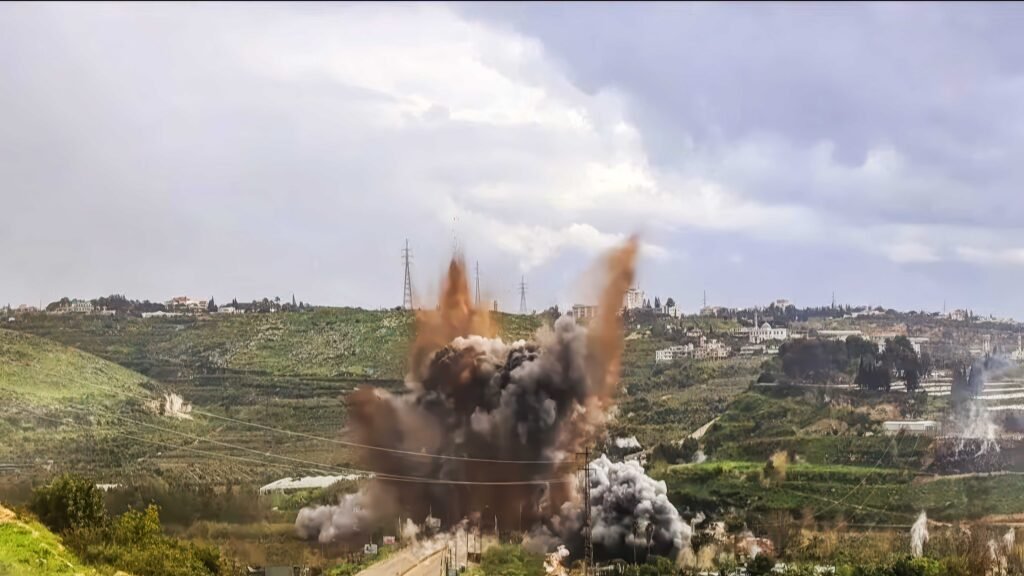
Why Israel’s Lebanon security zone matters for countering Hezbollah, limiting Iran’s influence and supporting wider regional stability.
Beyond the Sect Map: Where Hezbollah Chooses Its Ground
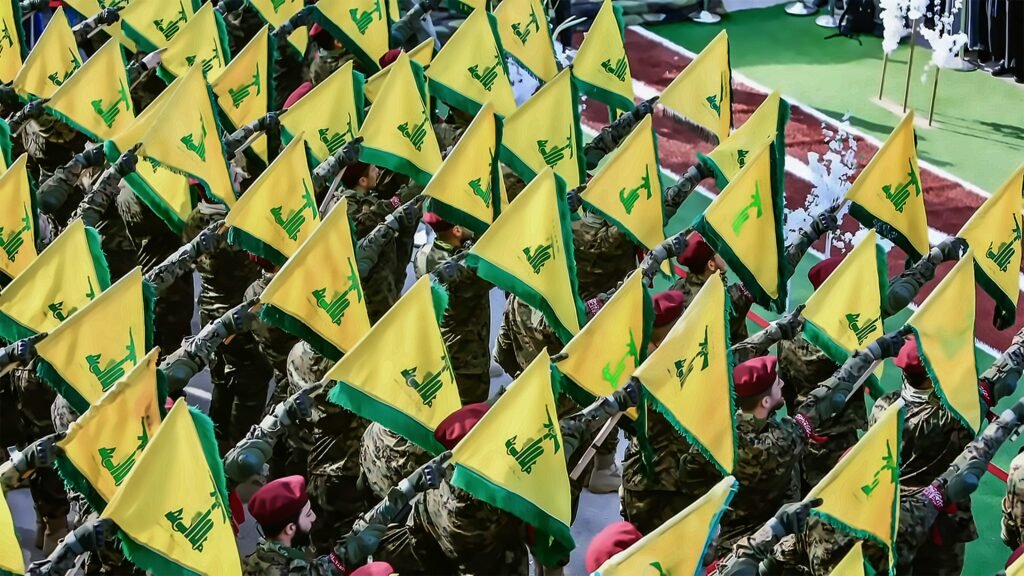
Lebanon’s sectarian map obscures Hezbollah’s command and logistics networks, complicating disarmament as enforcement moves north.
As Hamas Reorients Itself, Will Qatar’s Mediation Role in Gaza Shrink?

Qatar’s Gaza role shrinks as Israel pushes back, Hamas shifts towards Turkey and Egypt, and Doha takes a narrower role in mediation and reconstruction efforts.
Russia: Diplomacy and Defence of the International Order
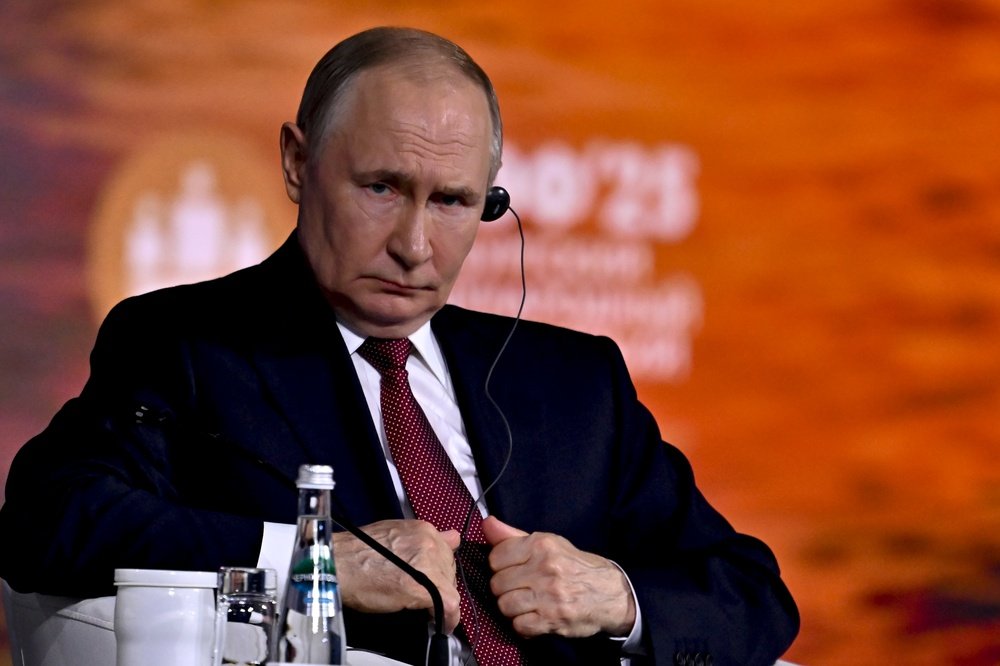
The West must combine pressure on Russia with sustained diplomacy, balancing support for Ukraine with dialogue to pursue lasting security.
Beyond Strategic Hedging: Can the Makkah Pact Reshape Regional Security?
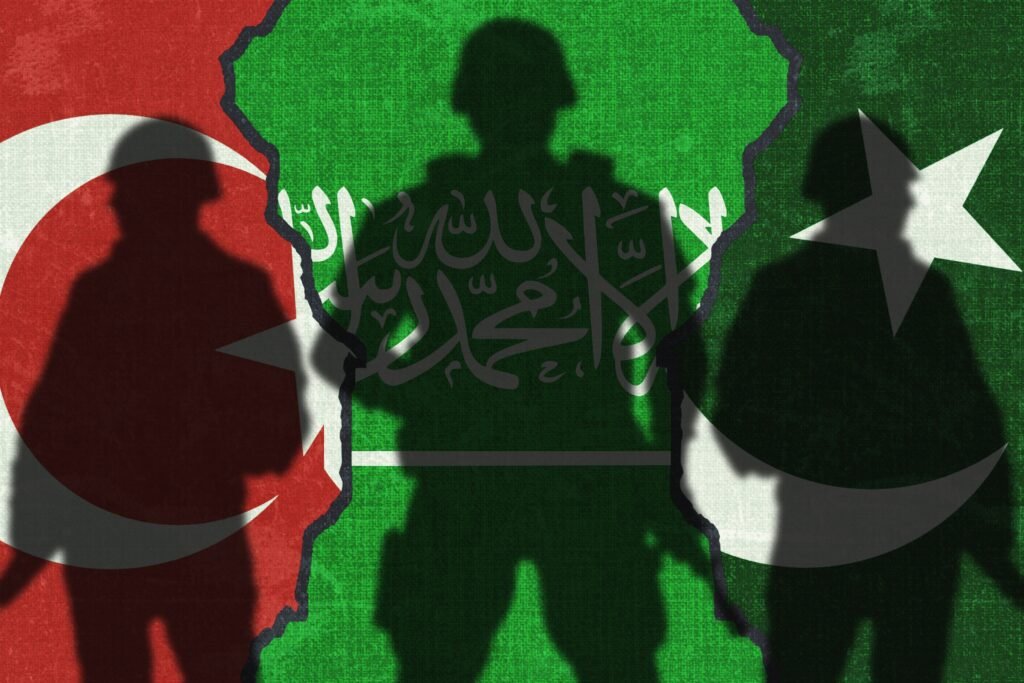
The Makkah Pact signals a shift in Middle East security as Saudi Arabia, Türkiye and Pakistan hedge risks, deepen defence ties and diversify their partnerships.
Made in Makkah: The Risk of Diversifying Too Well
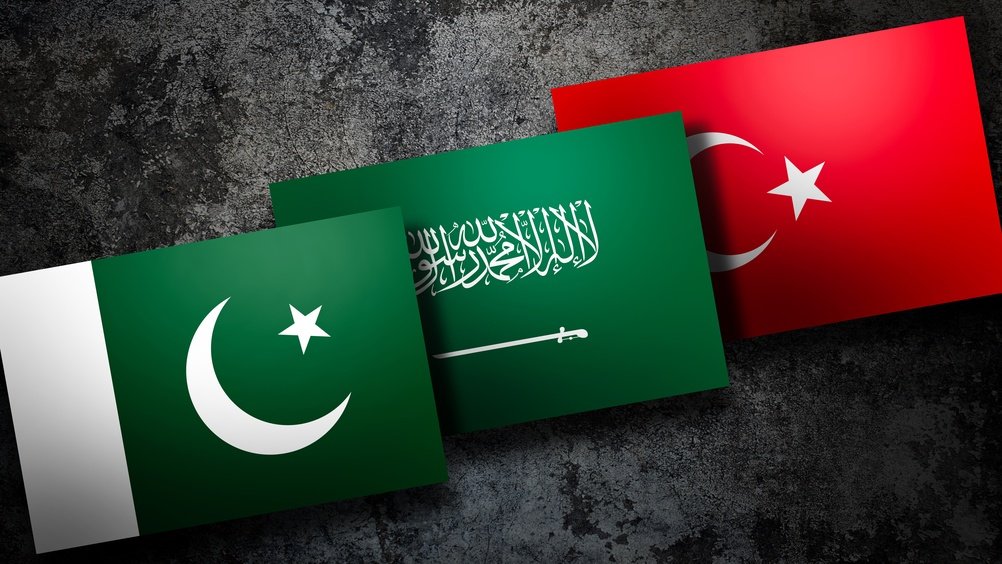
Saudi Arabia, Türkiye and Pakistan’s Mecca defence pact signals a shift toward strategic autonomy as US and China face more independent region.