 Skip to content

The Reopening of the Strait of Hormuz: Possible Scenarios
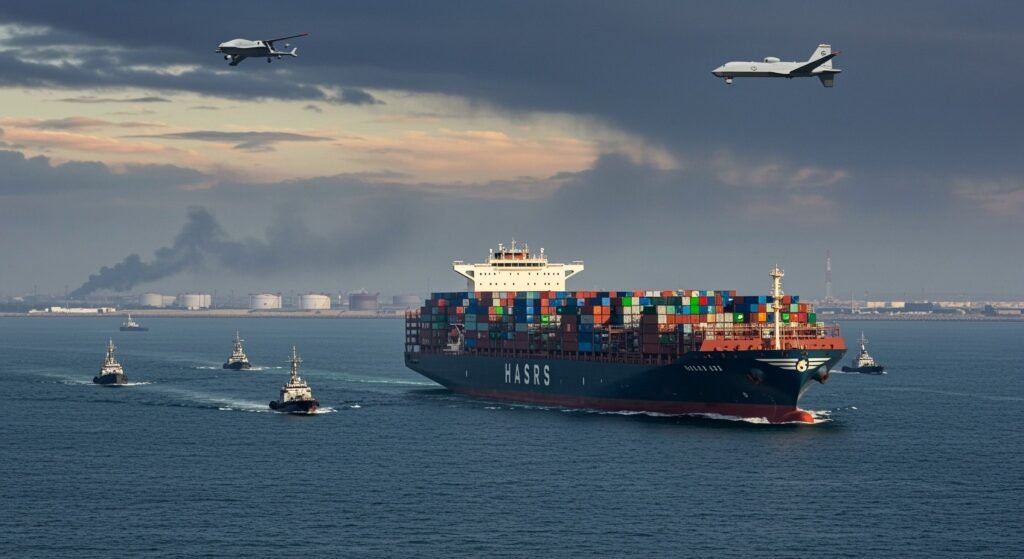
Iran’s control of the Strait of Hormuz has become a key bargaining tool in U.S.-Iran tensions, shaping maritime security, sanctions, and trade.
The Reluctant Merchant: Iran War, Beijing Summit, and the Limits of Predominance
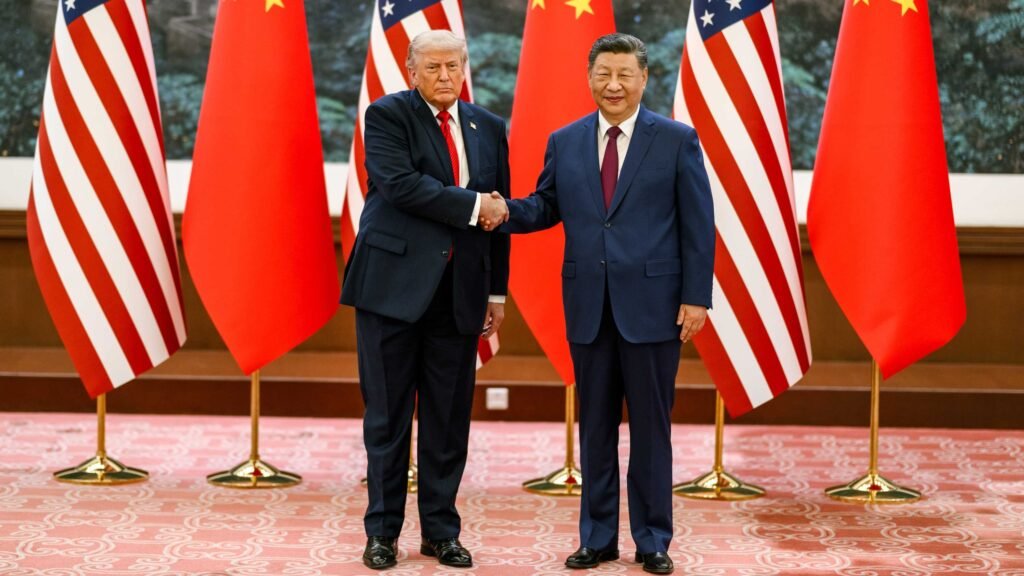
Analysis of Trump’s Beijing visit, US-China-Iran dynamics, and the ‘reluctant merchant’ era showing limits of US power in a shifting global order.
Iran’s Transition from Hierarchical to Flat Leadership
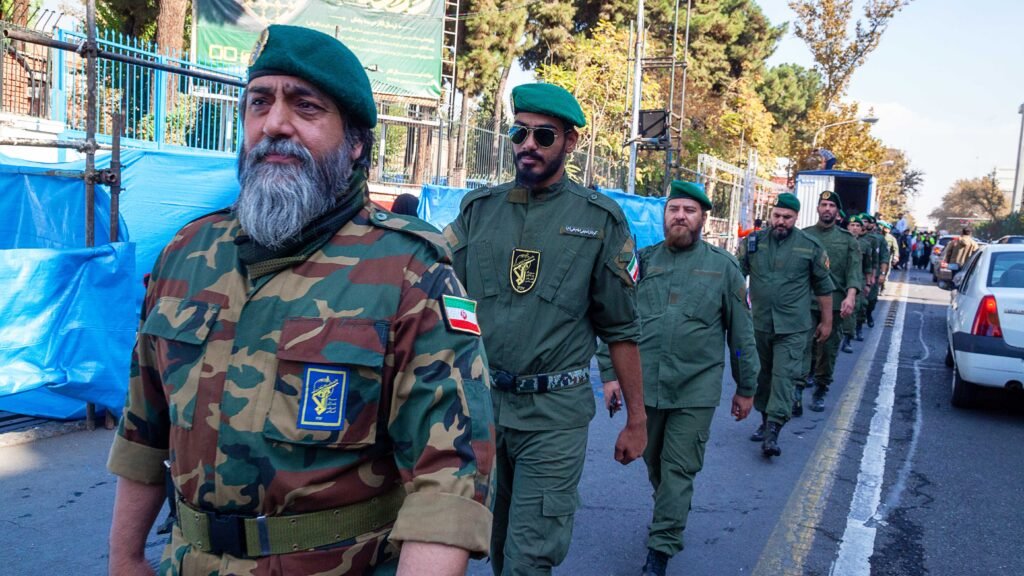
Iran’s leadership has transformed its system from a hierarchical structure into a fragmented, decentralized order dominated by the IRGC in 2026.
The Middle East Is Not Stabilizing—It Is Learning to Manage Instability
The Middle East is entering an era of managed instability, where ceasefires, diplomacy, and conflict coexist without resolving the region’s crises.
The Hardware Trap in Modern Warfare
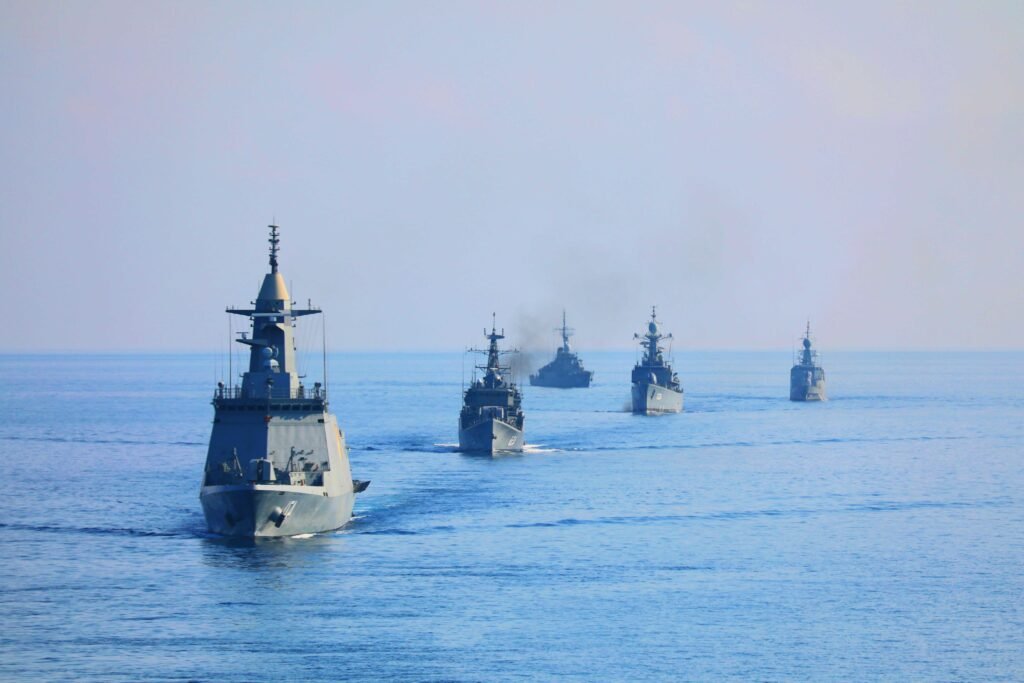
The Iran conflict exposes the limits of military hardware, showing how resilience, geography and asymmetric warfare can blunt conventional power.
From Partnership to Pressure: Why the UAE’s Approach to Iran Is Changing
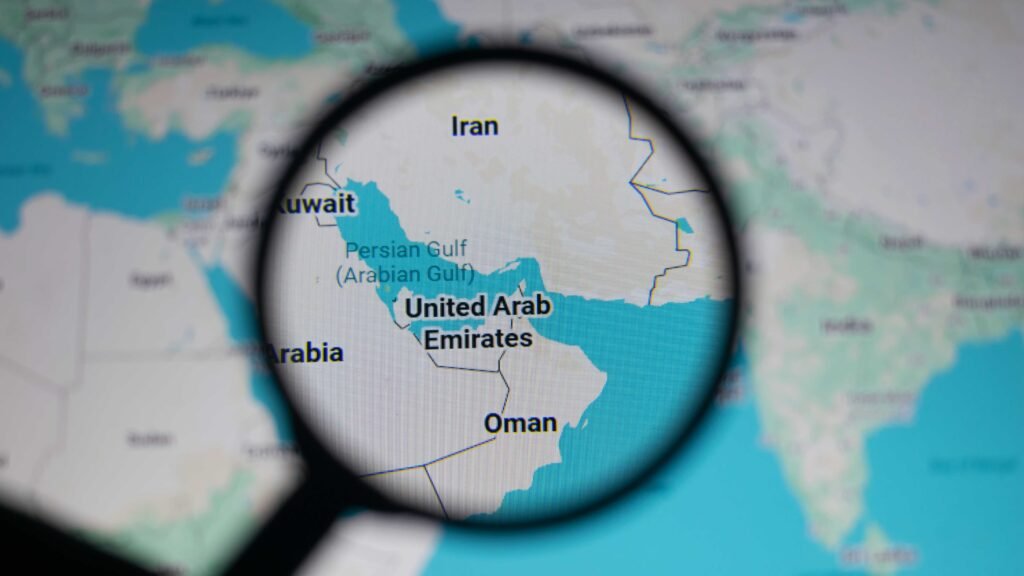
Syria’s future depends on building security, performance, representation, and constitutional legitimacy at the same time—not in sequence.
Stability vs. Legitimacy: Syria’s Central Transitional Dilemma
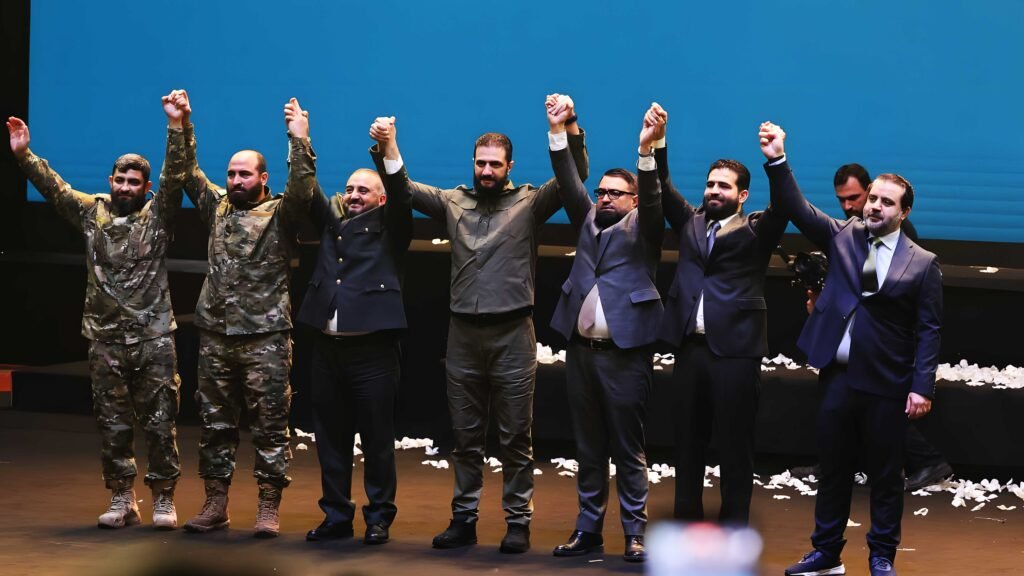
Syria’s future depends on building security, performance, representation, and constitutional legitimacy at the same time—not in sequence.
Iran Is Drawing the Wrong Lesson from Libya’s Experience
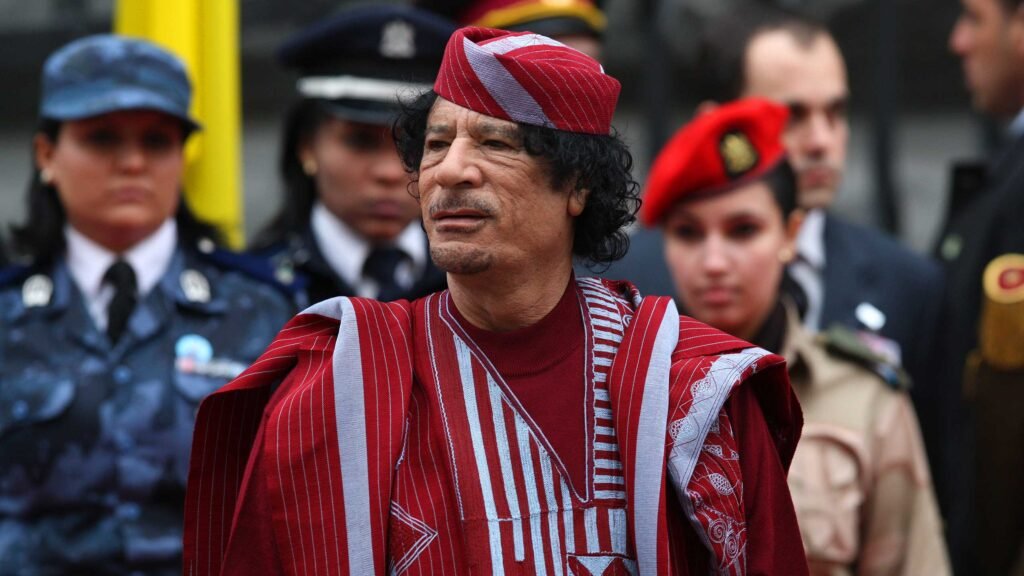
As U.S.-Iran talks continue, Libya’s experience offers a warning: nuclear weapons cannot compensate for corruption, repression, and misrule.
U.S.-Iran Coercive Diplomacy Produces Managed Instability
U.S.–Iran tensions reflect coercive diplomacy, driving regional instability, economic shocks, and alliance strain.
Agile Power: The UAE’s External Policy in an Era of Fragmentation
UAE shifts from omni-alignment to strategic diversification, leveraging flexible alliances, tech, and energy policy to secure autonomy amid Gulf instability.