
Israel, Iran, and the Strategic Logic of Nuclear War – Part II
Even an asymmetrical nuclear war in which Israel is the sole nuclear power could inflict intolerable harms.
Israel, Iran, and the Strategic Logic of Nuclear War – Part I
As designated instruments of a law-based system of deterrence, nuclear weapons can succeed only in their protracted non-use by Israel and Iran.
US-Iran Negotiations Beyond Nuclear Issues Could Lead to Failure
The Elevated Role of Turkey in the Middle East
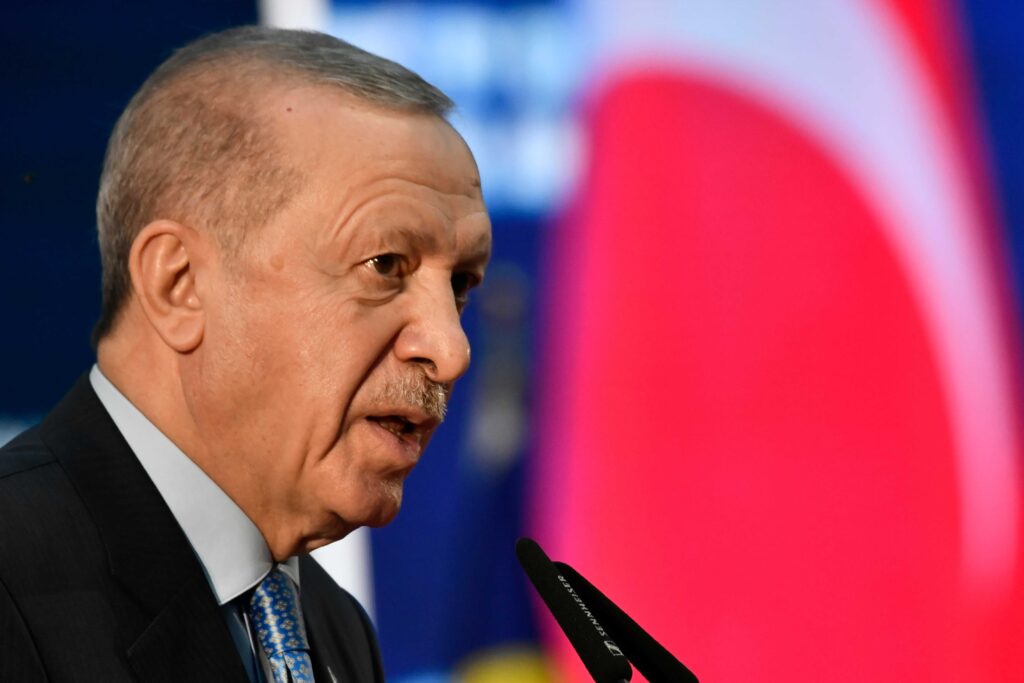
Ankara is cautious about the spillover effects that a regime change in Iran could bring about, but it possesses the instruments to manage instability.
Regime Change in Tehran is Critical for Iran and the Broader Region, and Now is the Time
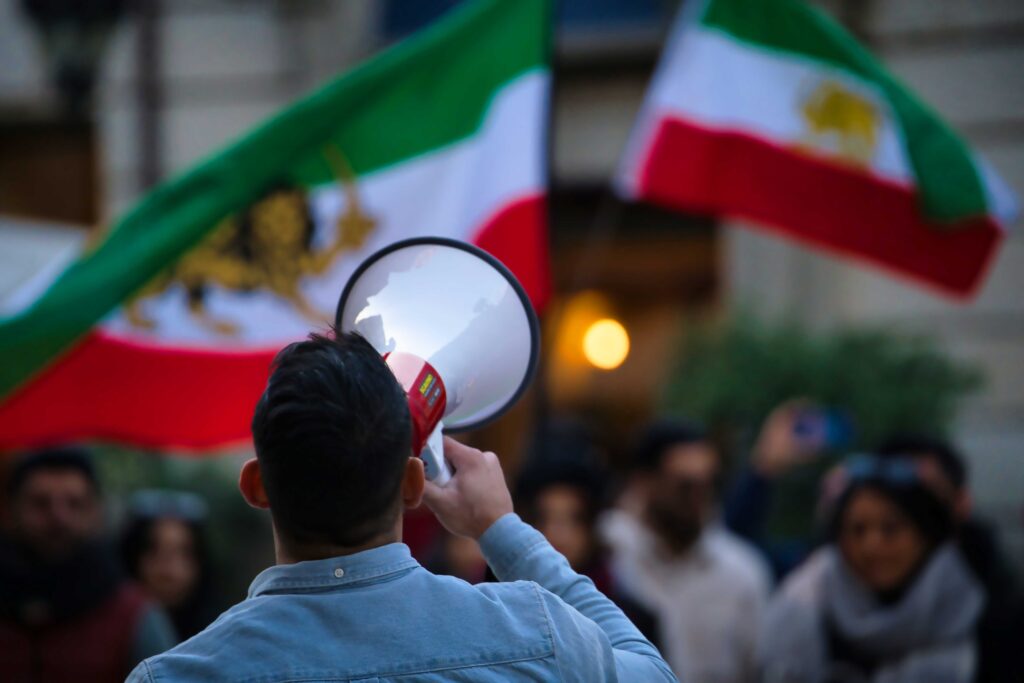
The U.S. should maintain that regime change is preferable to the current situation for the Iranian people and for the Palestinians in the Gaza Strip.
Syria’s Future Between Fragmentation and Rival Reconstruction
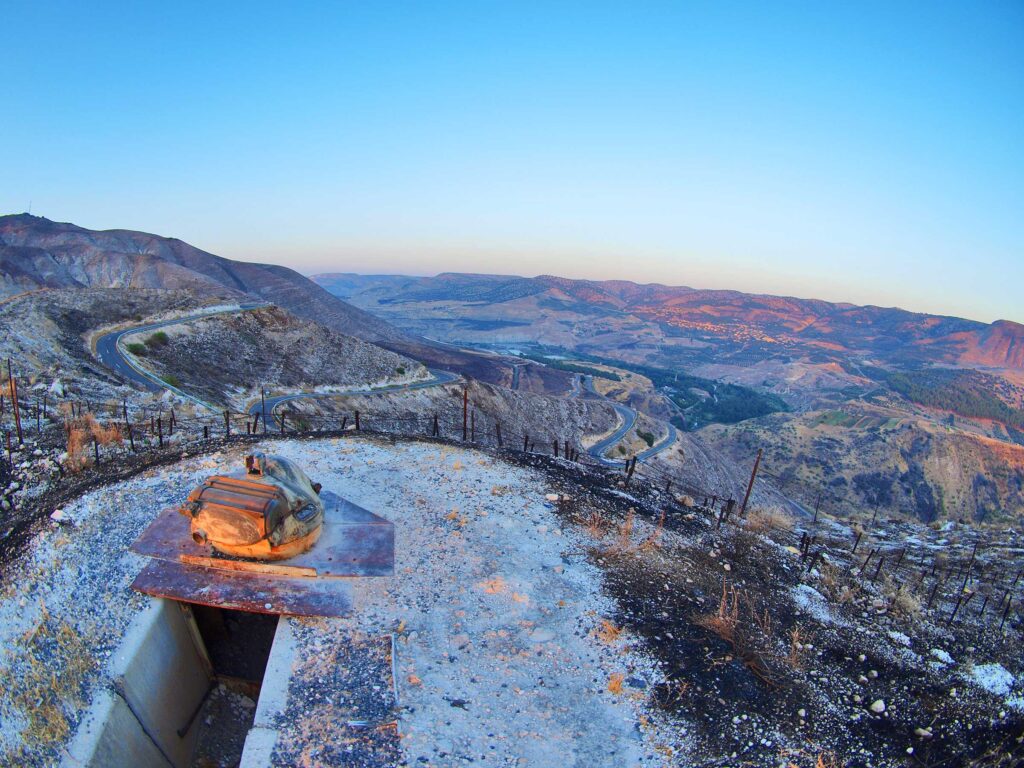
Leveraging economic and security incentives to promote gradual stability allows Israel and Syria to extract de-confliction.
How Turkey and the Syrian Interim Government Outmanoeuvred the U.S. and the SDF in Syria
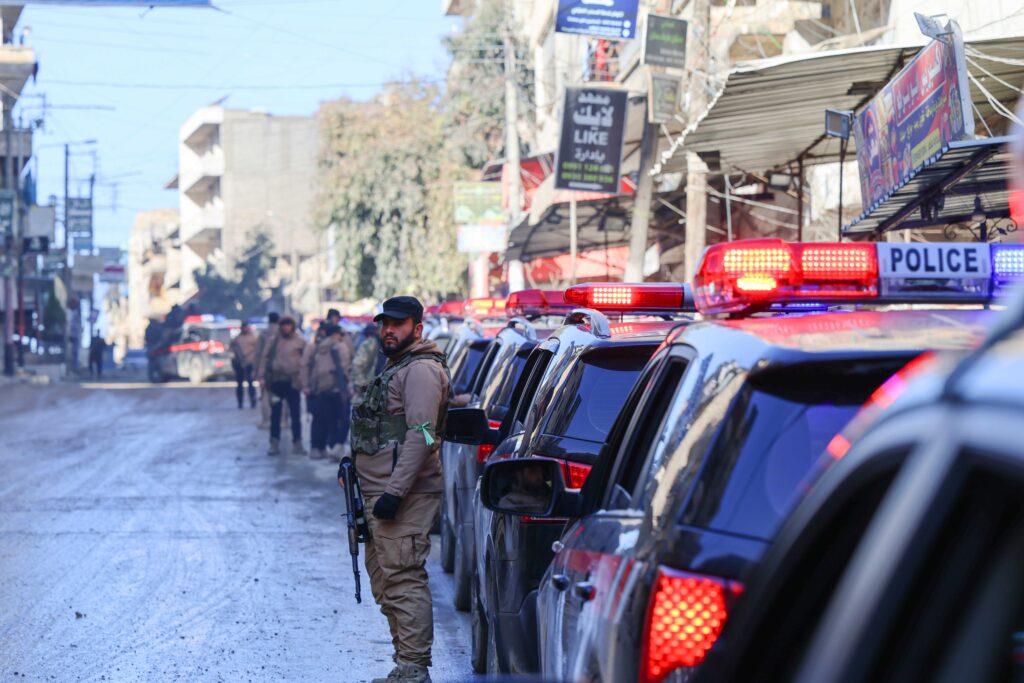
SDF forces have few options but to accept an unfavourable American- and Turkish-backed deal proposed by Damascus.
Extremism in Post-War Syria: The Al-Hol Camp and the Ideological Resurgence of ISIS
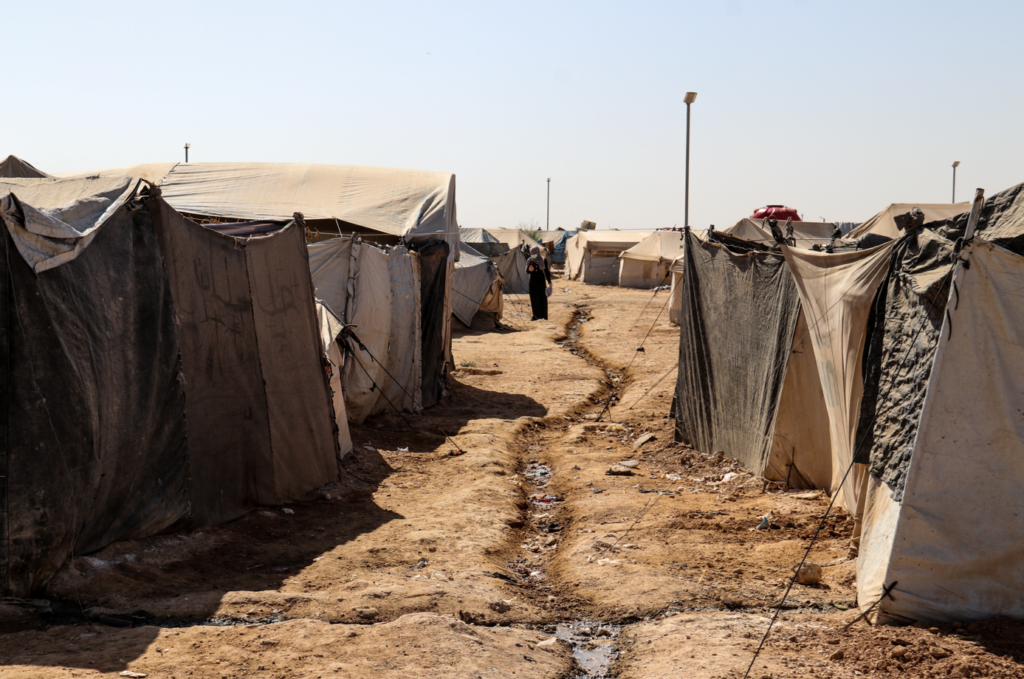
Al-Hol camp is a major security threat. The longer the detained remain abandoned, the more likely the world will once again confront ISIS.
The Future of Rojava: Kurdish Autonomy Under Threat in Syria
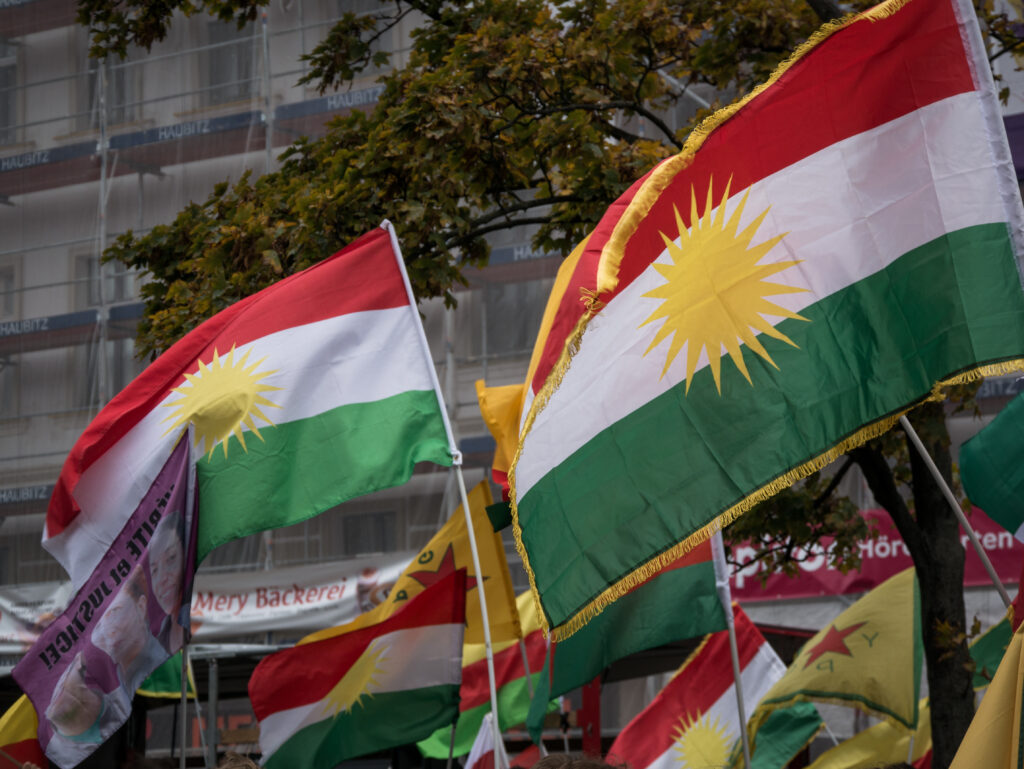
The conflict in Rojava has changed from a confrontation between the Syrian government and the SDF to a potential nationalist movement.
120 Years of Tension: The Conflict Between Constitutionalism and Shari’a-Based Governance in Modern Iranian History
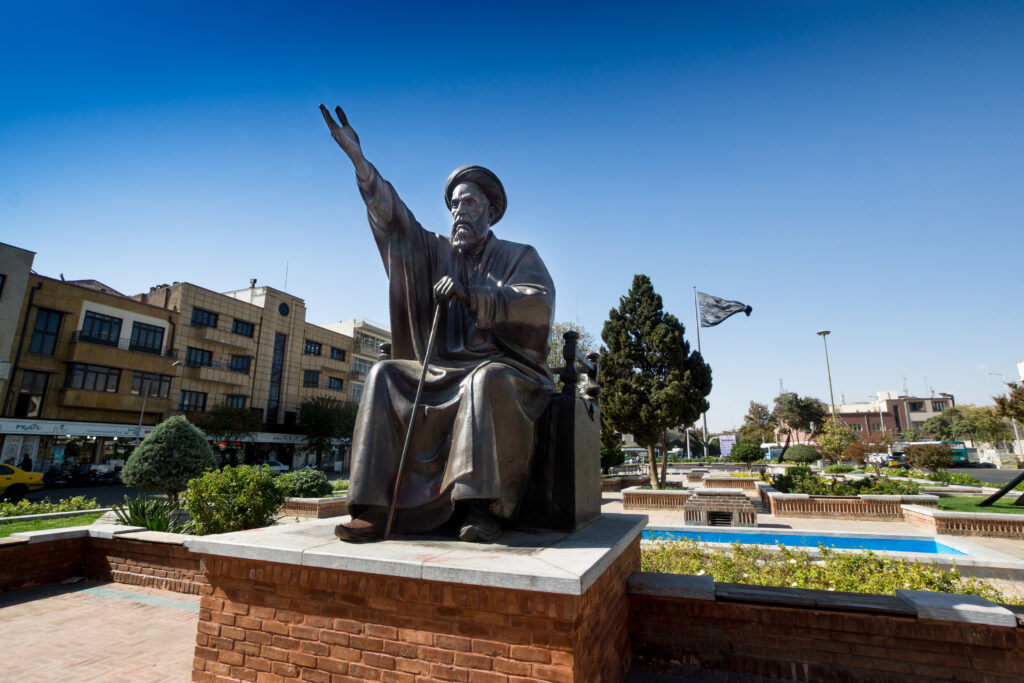
The enduring struggle between secular constitutionalism and religious authority continues to define the Iranian political landscape.